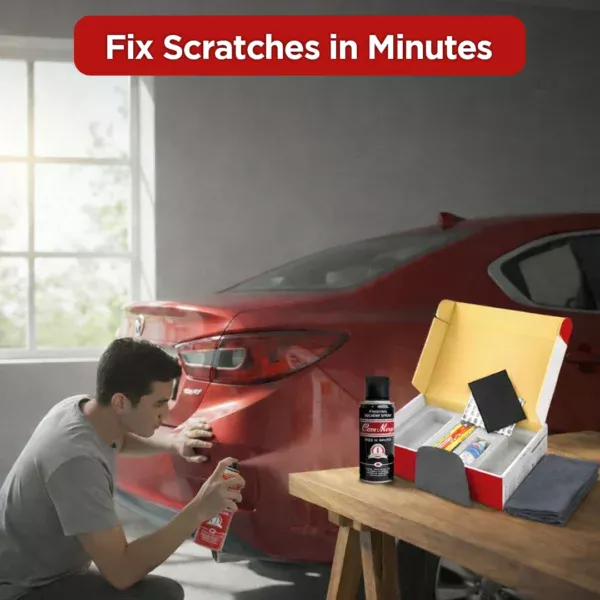
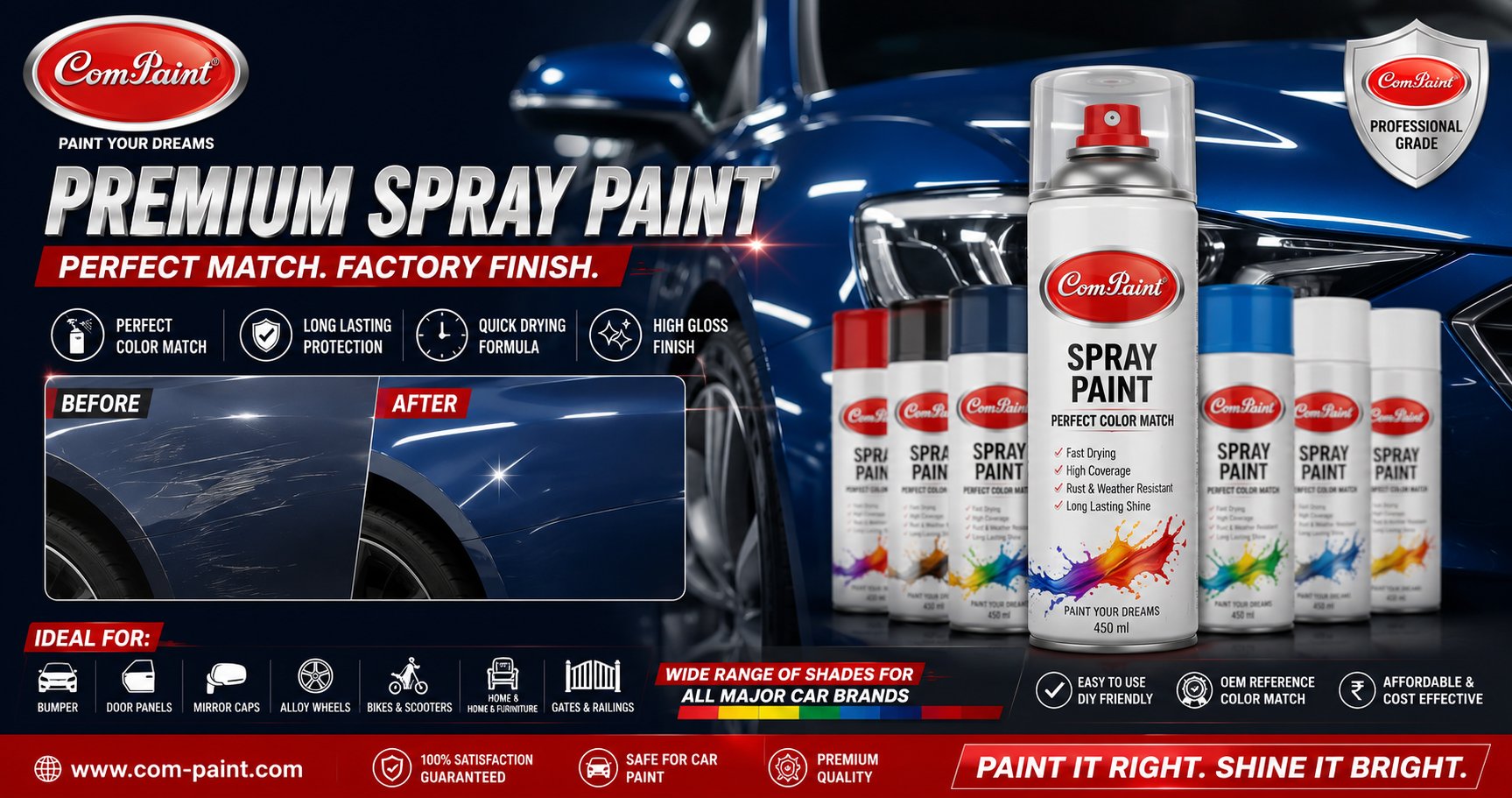
Car scratches are almost inevitable, whether caused by tight parking spaces, road debris, accidental bumps, or everyday driving. While even a small scratch can ruin your vehicle’s appearance, the good news is that not every scratch requires an expensive visit to a body shop.
With today’s car scratch repair paint, car spray paint, and professional-grade spray paints, you can restore your car’s finish at home with excellent results. Whether you’re dealing with a light surface scratch or a deeper paint chip, understanding the right repair method can save both time and money.
In this comprehensive guide, you’ll learn everything about car scratch removal, including scratch types, repair methods, common mistakes, and how to choose the best spray paints for your vehicle.
Why Car Scratches Shouldn’t Be Ignored
Many vehicle owners think small scratches are only cosmetic. However, untreated scratches can become much bigger problems over time.
Ignoring paint damage may lead to:
- Rust formation
- Paint peeling
- Moisture penetration
- Reduced resale value
- More expensive repairs later
Repairing scratches early is usually faster, easier, and significantly more affordable than repainting an entire panel.
Understanding Different Types of Car Scratches
Before choosing any repair solution, it’s important to identify the type of scratch.
1. Clear Coat Scratches
These are the most common scratches.
Characteristics:
- White or dull lines
- Only affect the transparent clear coat
- Cannot be felt deeply with your fingernail
These scratches usually require polishing compounds or a quality scratch remover.
2. Paint Layer Scratches
These scratches penetrate the colored paint layer.
Signs include:
- Primer becoming visible
- Slight paint loss
- Fingernail catches the scratch
These require car scratch repair paint or car spray paint for proper restoration.
3. Primer Scratches
The colored paint has completely worn away.
You’ll notice:
- Grey primer
- Rough surface
- Visible paint damage
Touch-up paint and blending techniques are recommended.
4. Deep Metal Scratches
These expose the bare metal underneath.
If ignored, they can quickly develop rust.
These scratches require:
- Rust treatment
- Primer
- Automotive spray paint
- Clear coat
Common Causes of Car Scratches
Car scratches occur more often than most drivers realize.
Common causes include:
- Parking accidents
- Shopping carts
- Tree branches
- Road gravel
- Motorcycle handlebar contact
- Car washing with dirty cloths
- Pet scratches
- Key scratches
- Stone chips
- Bicycle contact
Understanding the cause helps prevent future damage.
Can You Remove Car Scratches Yourself?
Yes.
More than 70% of everyday scratches can be repaired at home if they haven’t penetrated deeply into the metal body.
DIY repair works best for:
- Clear coat scratches
- Paint scratches
- Minor chips
- Surface scuffs
- Door scratches
- Mirror cap scratches
- Bumper scratches
Essential Tools for Car Scratch Removal
Professional-looking repairs require the right tools.
Recommended items include:
- Microfiber cloth
- Car shampoo
- Clay bar
- Sandpaper (800–3000 grit)
- Scratch remover
- Car scratch repair paint
- Primer
- Car spray paint
- Clear coat spray
- Polishing compound
- Wax
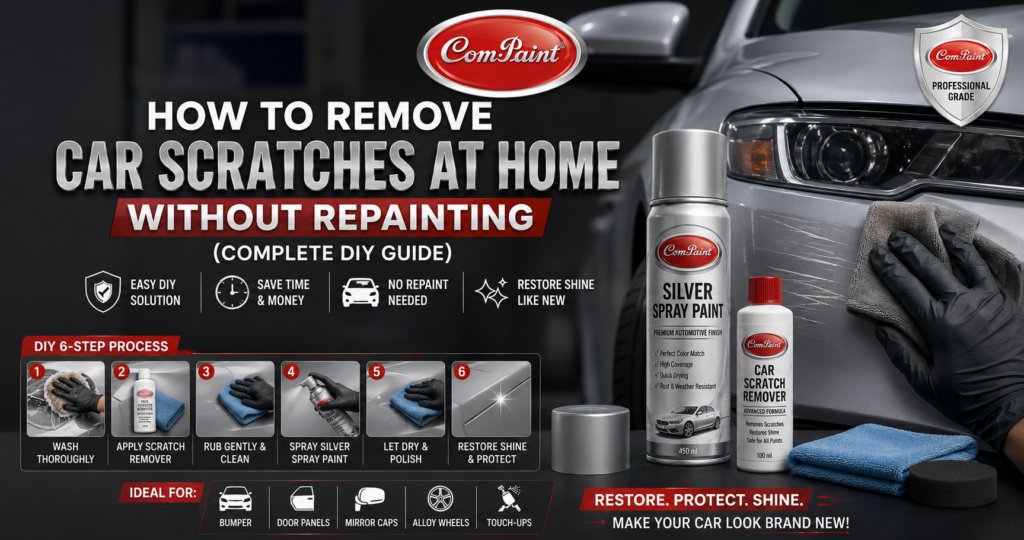
Step-by-Step DIY Car Scratch Repair
Step 1: Wash the Vehicle
Remove dirt, dust, grease, and wax.
A clean surface ensures better paint adhesion.
Step 2: Identify Scratch Depth
Run your fingernail across the scratch.
If your nail catches deeply, touch-up paint will likely be needed.
Step 3: Smooth the Surface
Use fine-grit sandpaper if the scratch edges are rough.
Avoid excessive sanding.
Step 4: Apply Primer (If Necessary)
Primer is only required when bare metal is exposed.
Allow sufficient drying time before painting.
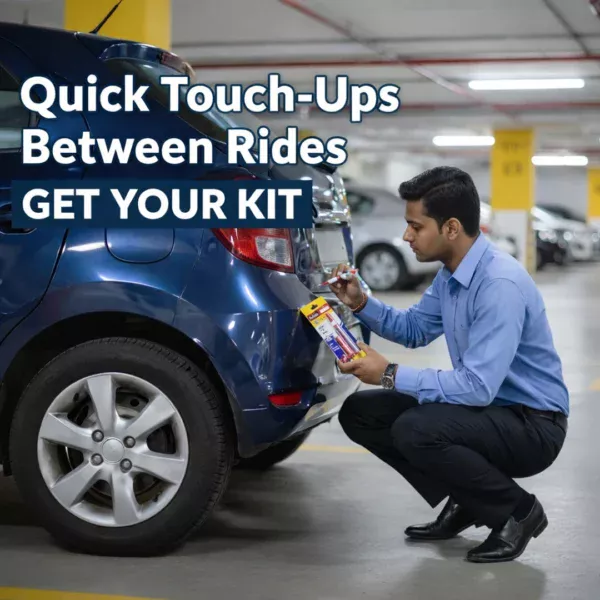
Step 5: Apply Car Scratch Repair Paint
Choose an OEM color-matched paint for the best results.
Apply multiple light coats instead of one heavy coat.
Allow each layer to dry completely.
Step 6: Use Car Spray Paint for Larger Areas
When repairing larger scratches or panels, car spray paint provides:
- Better coverage
- Smooth finish
- Factory-like appearance
- Faster application
Hold the spray can approximately 20–25 cm away and apply thin, even coats.
Step 7: Apply Clear Coat
The clear coat protects the paint from:
- UV rays
- Moisture
- Dust
- Oxidation
It also restores the glossy finish.
Step 8: Polish the Surface
After the paint cures completely:
- Buff the repaired area
- Blend the finish
- Apply wax for protection
The repaired section should now blend naturally with the surrounding paint.
Choosing the Best Spray Paints
Not every spray paint is suitable for automotive use.
The best spray paints offer:
OEM Color Matching
Exact color compatibility.
UV Resistance
Prevents fading over time.
Fast Drying
Reduces repair time.
Weather Resistance
Protects against rain, sunlight, and humidity.
Excellent Coverage
Requires fewer coats.
Smooth Spray Pattern
Produces a professional finish.
Car Spray Paint vs Touch-Up Paint
| Feature | Car Spray Paint | Touch-Up Paint |
| Large scratches | ✅ | ❌ |
| Small chips | ❌ | ✅ |
| Even finish | ✅ | Moderate |
| DIY friendly | ✅ | ✅ |
| Panel repair | Excellent | Limited |
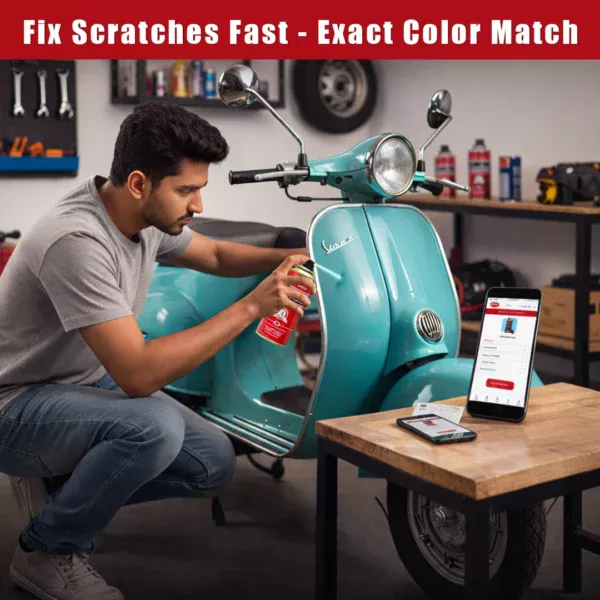
Bike Spray Paint: Is the Process Different?
The repair process for motorcycles is similar but requires extra attention to smaller panels.
Bike spray paint is ideal for repairing:
- Fuel tanks
- Side panels
- Mudguards
- Fairings
- Wheel covers
Using color-matched bike spray paint helps restore the original appearance without replacing parts.
Benefits of DIY Scratch Repair
Repairing scratches at home offers several advantages.
Save Money
Avoid expensive body shop charges.
Save Time
Many repairs take only a few hours.
Preserve Original Paint
Only the damaged section is repaired.
Professional Appearance
Modern automotive spray paints deliver impressive results.
Easy Maintenance
Future touch-ups become simpler.
Common Mistakes to Avoid
Many DIY repairs fail because of simple errors.
Avoid these mistakes:
- Skipping surface cleaning
- Using household spray paints
- Ignoring paint codes
- Applying thick paint layers
- Not allowing enough drying time
- Polishing too early
- Forgetting clear coat protection
How to Prevent Future Scratches
Preventive maintenance keeps your vehicle looking newer for longer.
Tips include:
- Wash using microfiber cloths
- Avoid automatic brush car washes
- Apply ceramic coating
- Wax regularly
- Park away from crowded areas
- Use car covers
- Drive carefully on gravel roads
Why Choose ComPaint?
When it comes to automotive paint repair, choosing the right product is just as important as using the correct repair method.
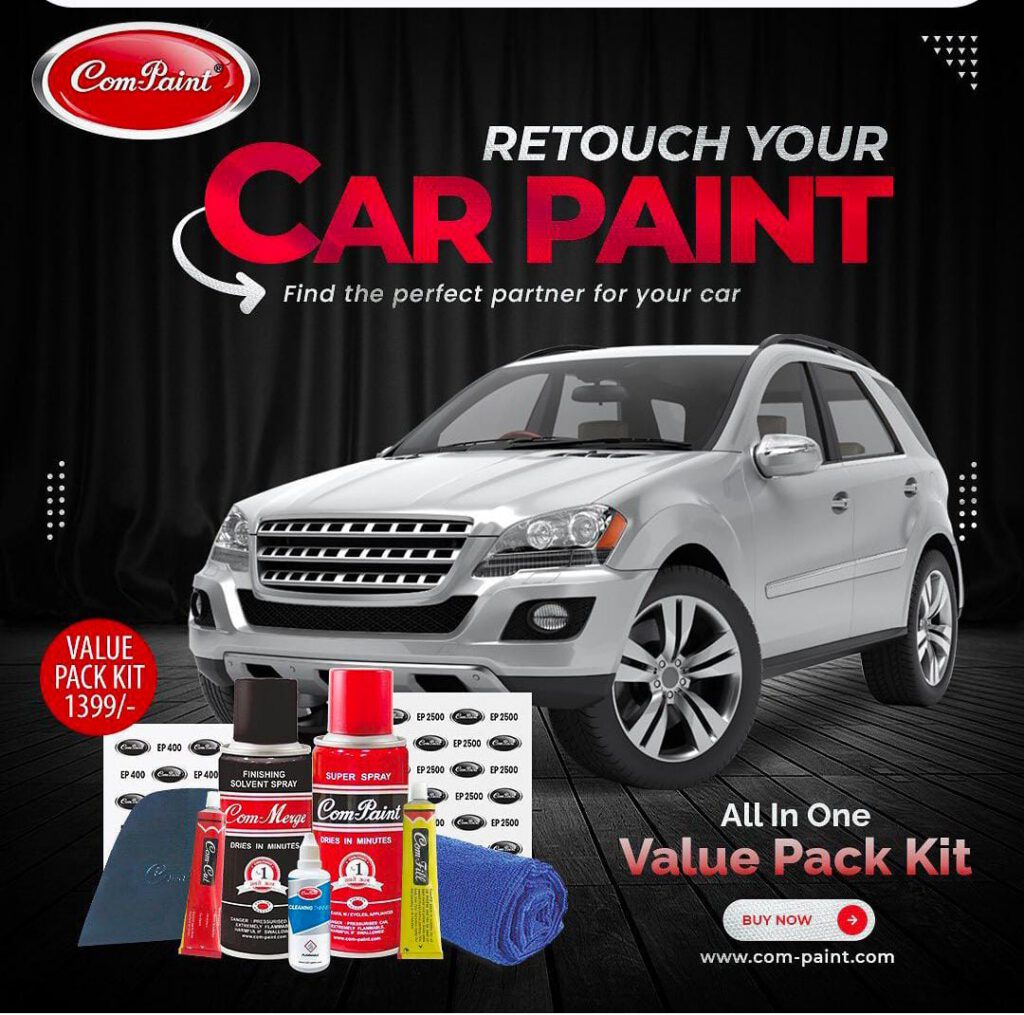
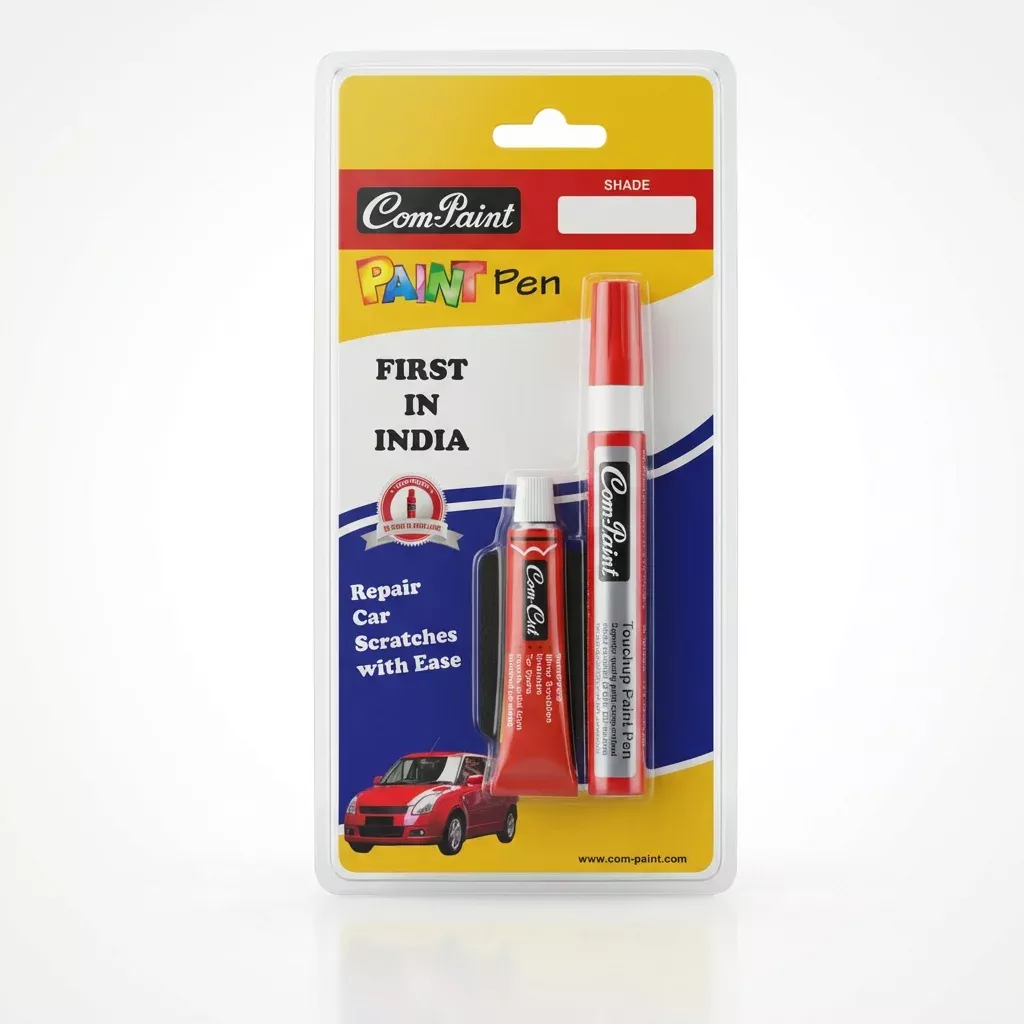
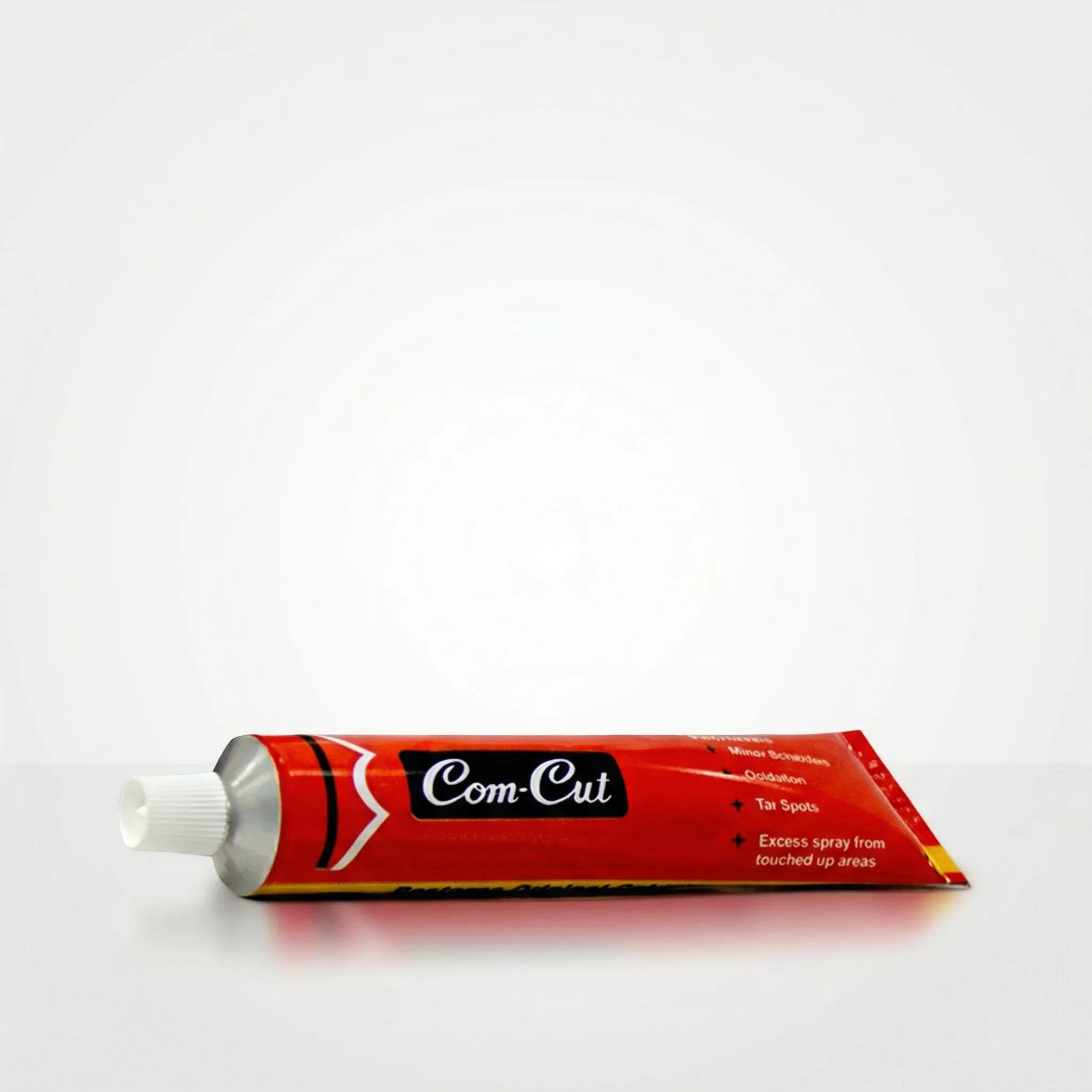
ComPaint offers professional-quality automotive paint solutions designed for DIY users and automotive enthusiasts.
Why Customers Choose ComPaint
✔ OEM Color Matched Paint
✔ Premium Car Spray Paint
✔ Professional Finish
✔ Fast Drying Formula
✔ Excellent Coverage
✔ Rust Resistant
✔ Weather Resistant
✔ Long Lasting Finish
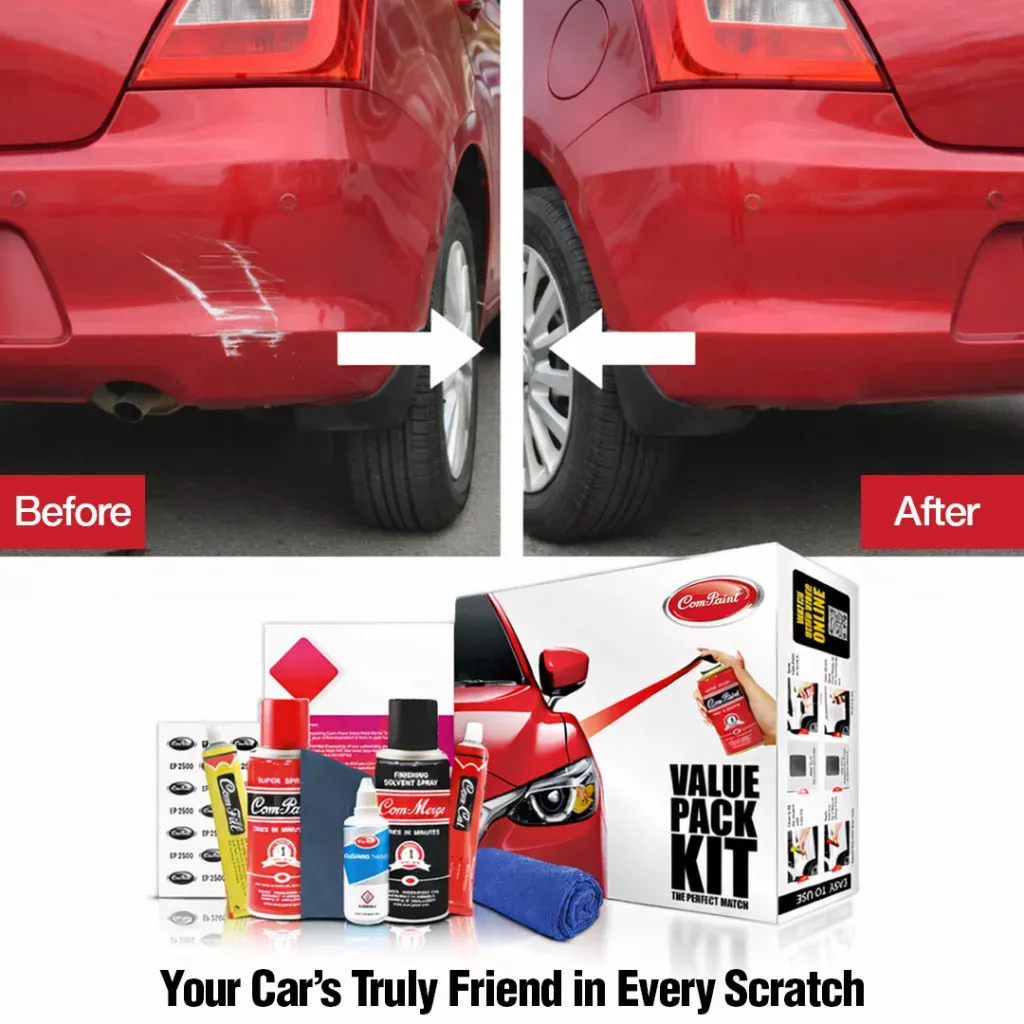
Whether you’re repairing a family car, SUV, hatchback, luxury vehicle, or motorcycle, ComPaint provides reliable car scratch repair paint, car spray paint, and bike spray paint solutions that help restore your vehicle’s original finish with confidence.
Frequently Asked Questions (FAQ)
What is the best way to remove car scratches?
The best method depends on the scratch depth. Light scratches can often be polished out, while deeper scratches require car scratch repair paint or car spray paint followed by a clear coat.
Can I repair car scratches without repainting the entire car?
Yes. Most scratches can be repaired by treating only the affected area with color-matched paint and proper blending, avoiding a full panel repaint.
What is the best spray paint for cars?
Choose an automotive-grade spray paint that offers OEM color matching, UV resistance, fast drying, and weather protection. Products like ComPaint Car Spray Paint are specifically designed for vehicle touch-ups.
Can bike spray paint be used on cars?
No. Always use the correct formulation and color match for the specific vehicle. While application methods are similar, the paint specifications may differ between bikes and cars.
How long does DIY scratch repair take?
Minor scratch repairs typically take 1–3 hours, while deeper repairs requiring primer, paint, and clear coat may take up to 24 hours, including drying and curing time.
How do I know if my car needs touch-up paint or spray paint?
Small chips and narrow scratches are best repaired with touch-up paint, while larger damaged areas or panels are better suited for car spray paint.
Final Thoughts
Car scratches don’t have to mean costly body shop repairs. With the right tools, proper preparation, and high-quality car scratch repair paint, car spray paint, or bike spray paint, you can restore your vehicle’s appearance from the comfort of your home. For the best results, always use automotive-grade products with OEM color matching and follow a step-by-step repair process. Whether you’re fixing a minor scuff or refreshing a larger painted area, choosing the best spray paints ensures a durable, professional-looking finish that protects your vehicle for years to come.