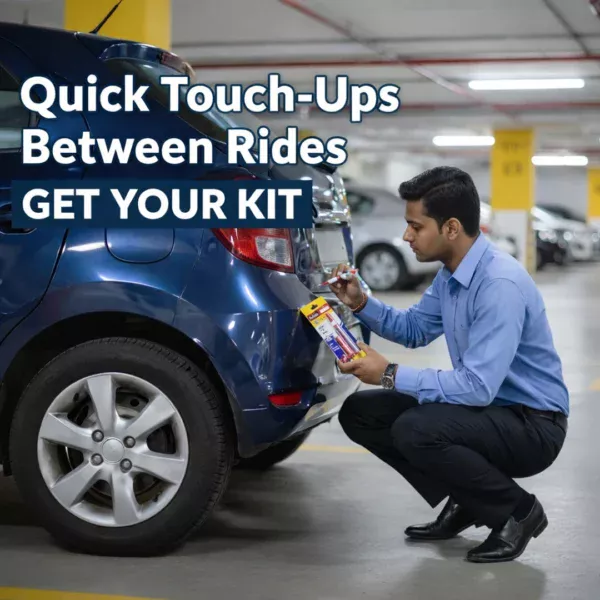
A car is more than just a vehicle for most owners. It is something they take pride in, which is why even a small scratch on the door, bumper, bonnet or side panel can be frustrating. Unfortunately, scratches are almost unavoidable. Tight parking spaces, minor accidents, road debris, branches, shopping carts and even careless handling can leave visible marks on a car’s paint.
The good news is that not every car scratch requires an expensive visit to a professional body shop. Depending on the depth and severity of the damage, many minor scratches, scuffs and paint marks can be repaired at home using the right car scratch remover or touch-up paint product.
But choosing the right product is important. A compound that works on a light surface scratch may not work on a deep scratch where the original paint has already been removed.
In this guide, we explain how to identify different types of car scratches, which car scratch remover products are suitable for each type, and how you can repair minor car paint damage at home.
What Is the Best Car Scratch Remover in India?
The best car scratch remover depends on the type and depth of the scratch.
For light surface marks and paint transfer, a scratch-removing compound can often be enough. However, if the scratch has removed the original paint, you may need a colour-matched touch-up paint. Deeper scratches may require a filler, sanding, paint application and finishing process.
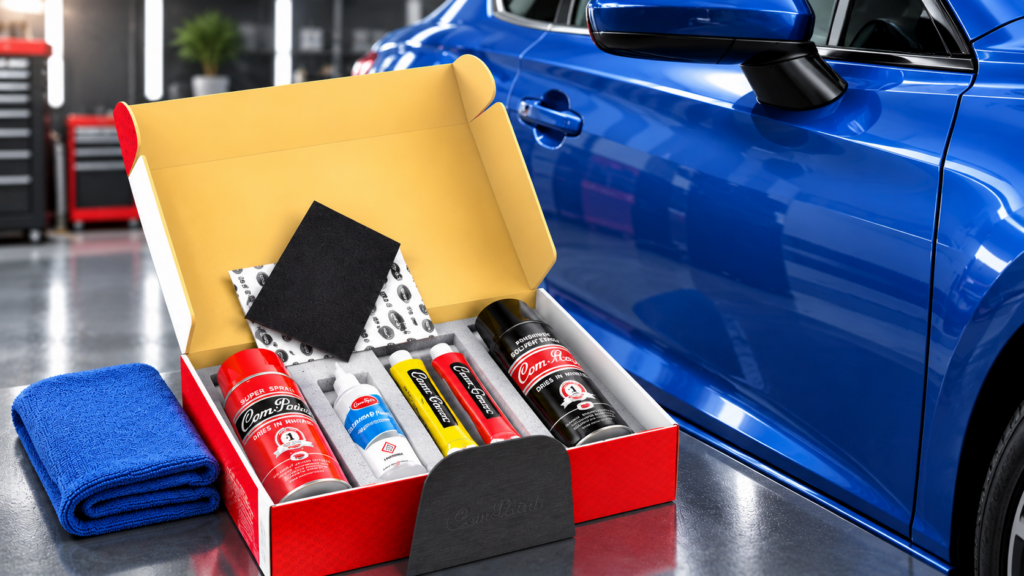
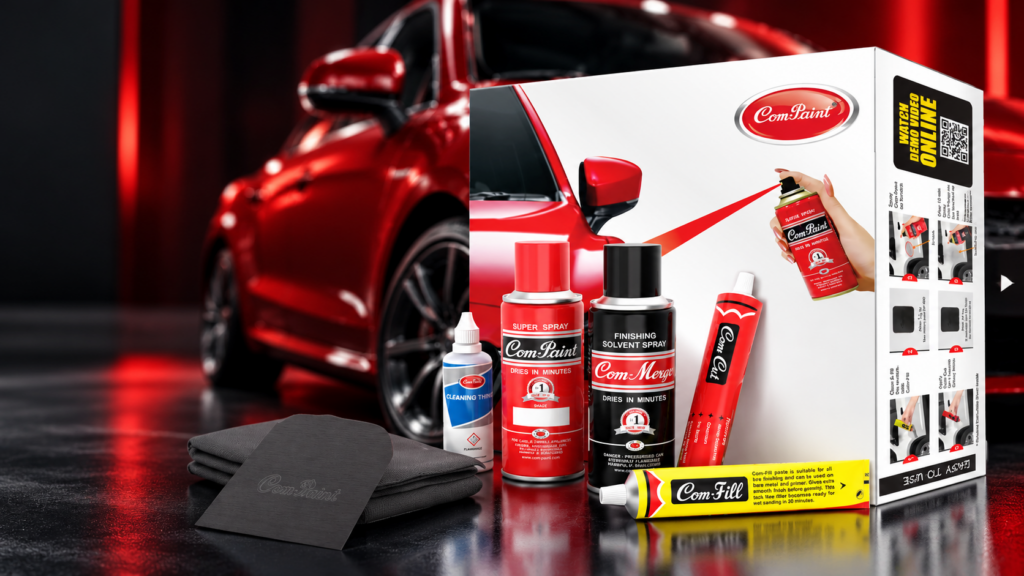
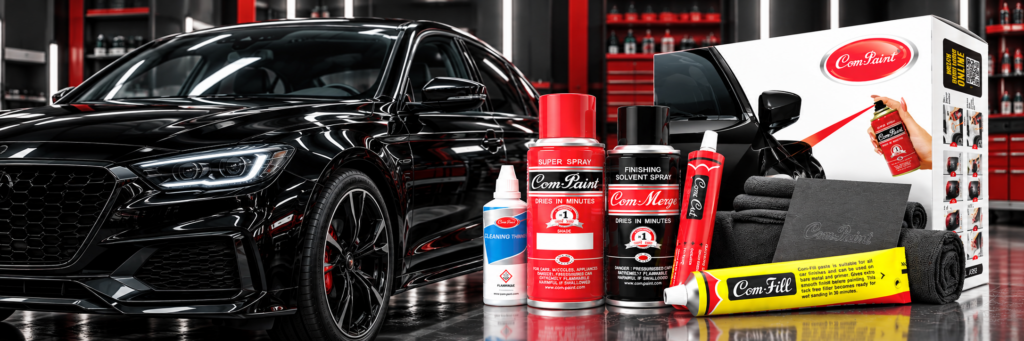
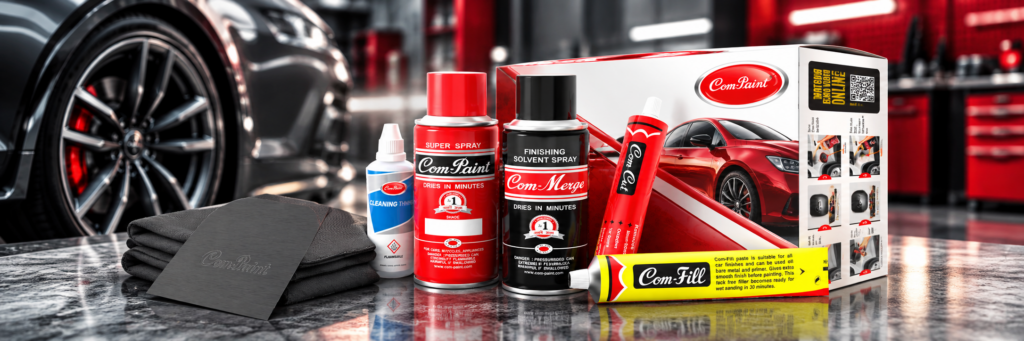
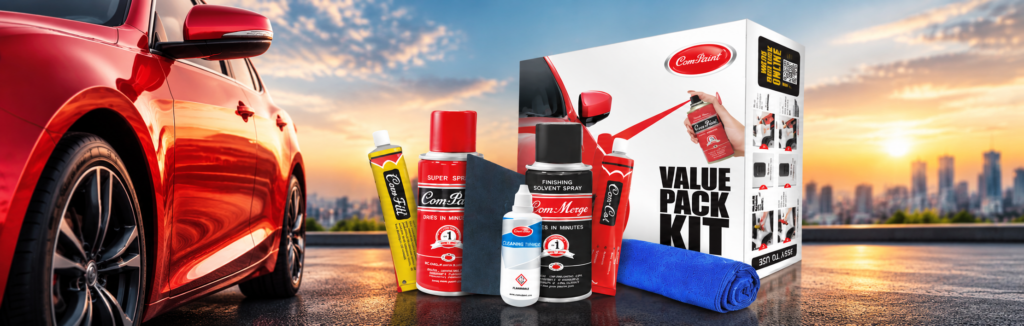
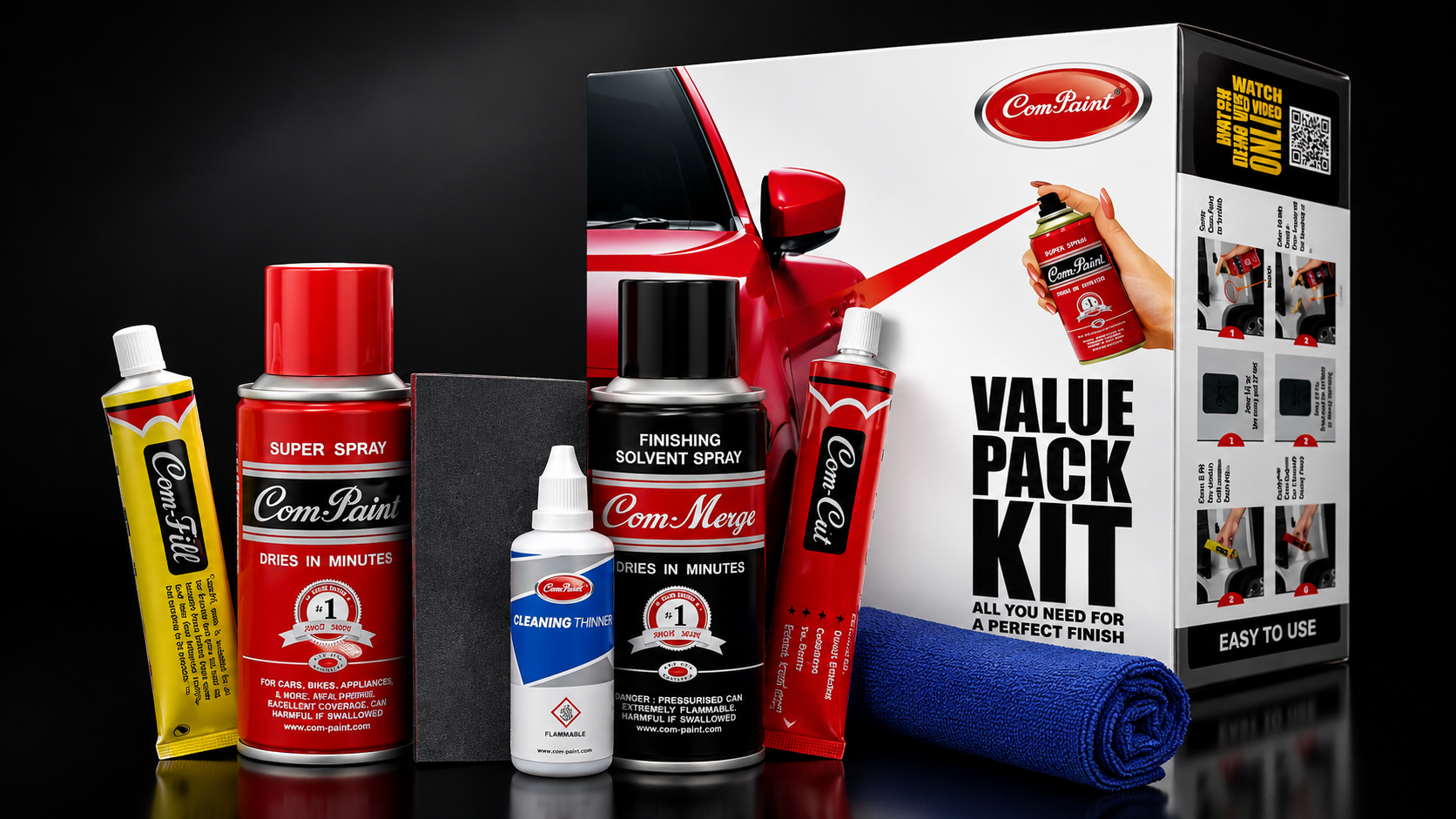
For this reason, a complete car scratch repair solution such as the Com-Paint Value Pack Kit can be useful for DIY repairs because it brings together the products required for different stages of minor scratch repair.
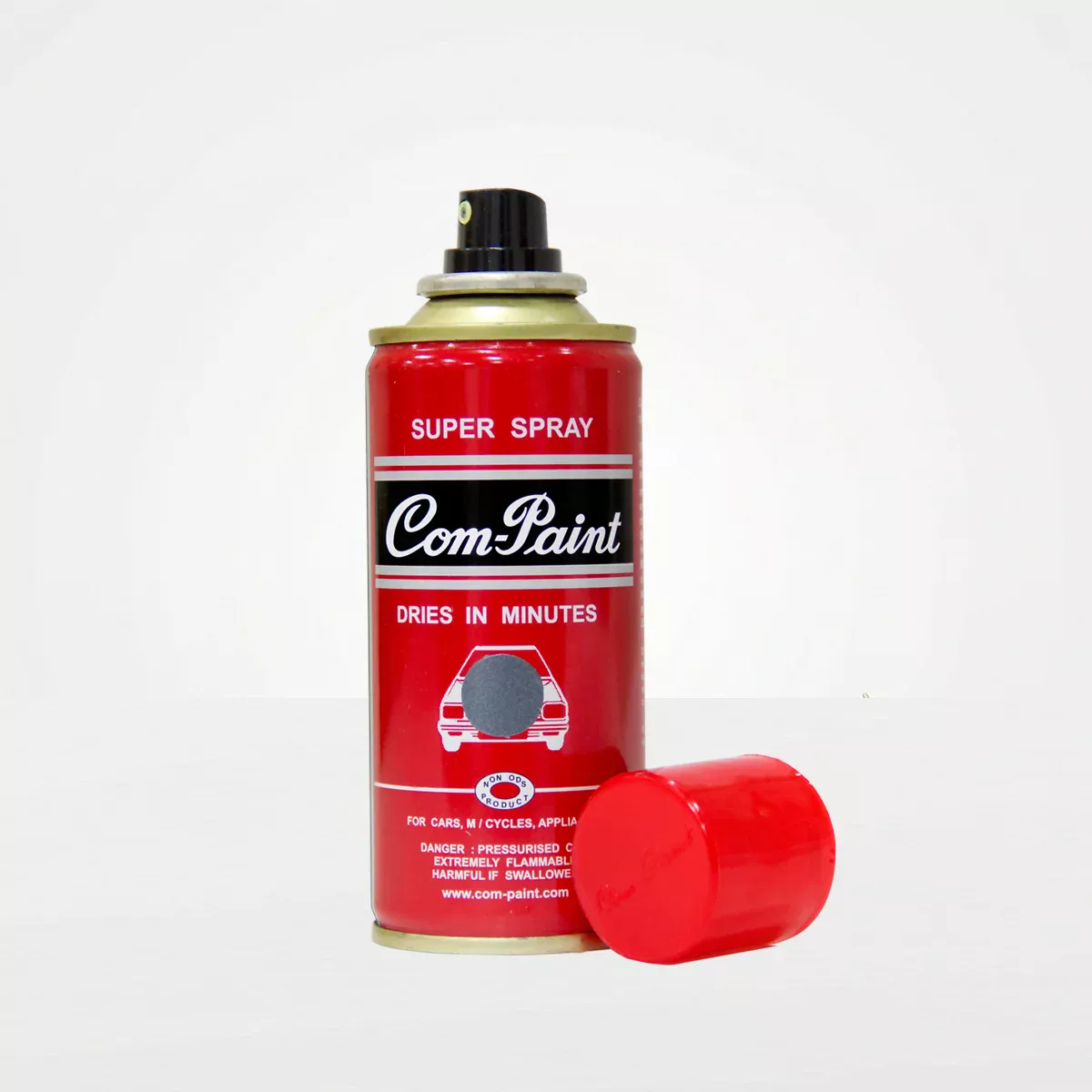
Com-Paint offers automotive paint and scratch-repair solutions including scratch removers, colour-matched spray paints, paint pens, fillers and finishing products.
Understanding Different Types of Car Scratches
Before buying a car scratch remover, the first thing you should determine is how deep the scratch actually is.
Not every visible mark on a car is a deep scratch. Some marks are simply paint transfer or damage to the clear coat.
1. Surface Scratches
These are the lightest scratches. They usually affect only the upper clear-coat layer of the vehicle.
You may notice fine lines or swirl-like marks, but the underlying colour remains intact.
These scratches can often be treated with a suitable scratch remover or polishing product.
2. Paint Transfer and Scuff Marks
Sometimes another vehicle, wall, pole or object leaves its paint on your car.
In such cases, the mark may look like a serious scratch even though your original paint is still underneath.
A suitable scratch-removal product can help remove this type of surface contamination without repainting the entire area.
3. Paint-Deep Scratches
A deeper scratch becomes more serious when the original colour coat has been damaged or removed.
You may notice a different colour underneath the scratch or even see the underlying primer or metal.
A normal polishing compound cannot replace missing paint. These scratches generally require touch-up paint or a proper DIY paint repair process.
4. Deep Scratches With Surface Damage
If the scratch has created a visible groove, indentation or uneven surface, simply spraying paint over it may leave an uneven finish.
In these situations, a scratch filler can first be used to level the damaged area before sanding and painting.
Best Car Scratch Remover Products for Different Types of Damage
There isn’t one product that can repair every kind of scratch. The right product depends on what has happened to the car’s paint.
Com-Paint Scratch Remover for Light Scratches and Scuffs
For minor surface marks, paint transfer and light scratches, a dedicated scratch-removal product can be a good starting point.
Com-Paint’s Ragad Chhoomantar Scratch Remover is designed for removing surface marks and helping restore the appearance of the vehicle’s paint.
It can be particularly useful for:
- Light scratches
- Paint transfer
- Parking marks
- Surface scuffs
- Minor bumper marks
- Small cosmetic imperfections
The advantage of using a product specifically designed for automotive surfaces is that it can be applied directly to the affected area without requiring an entire panel to be repainted.
However, if the scratch has removed the original paint, a scratch remover alone will not be enough. In that case, touch-up paint will be required.
Com-Paint Value Pack Kit for Complete DIY Car Scratch Repair
For car owners who want to handle more than just light scratches, a complete repair kit can be more practical than purchasing individual products separately.
The Com-Paint Value Pack Kit is designed as a complete DIY solution for minor automotive paint repairs.
Depending on the repair requirement, the kit brings together products used for cleaning, filling, sanding, painting, blending and finishing.
The repair process generally involves:
Clean → Fill → Smooth → Paint → Blend → Finish
This makes a complete kit particularly useful when the scratch is deeper than what a conventional scratch remover can handle.
It can be used for common areas such as:
- Car doors
- Bumpers
- Fenders
- Side panels
- Minor body-panel scratches
- Small paint chips
For major dents or extensive body damage, however, professional repair is still recommended.
Com-Fill Scratch Filler for Deep Car Scratches
One of the most common mistakes people make when repairing a deep scratch is applying paint directly over an uneven surface.
If the scratch has created a groove, the repaired area may remain visible even after painting.
This is where a scratch filler can help.
Com-Paint’s Com-Fill is designed to fill minor scratches and surface imperfections before the painting process.
A typical repair involves applying the filler to the damaged area, allowing it to set and then smoothing the surface before applying the colour coat.
This creates a more even base for the subsequent paint application.
Com-Fill is useful for:
- Deeper scratches
- Small grooves
- Minor surface imperfections
- Preparing damaged areas for touch-up paint
- DIY car body repair
The smoother the surface is before painting, the better the final result is likely to look.
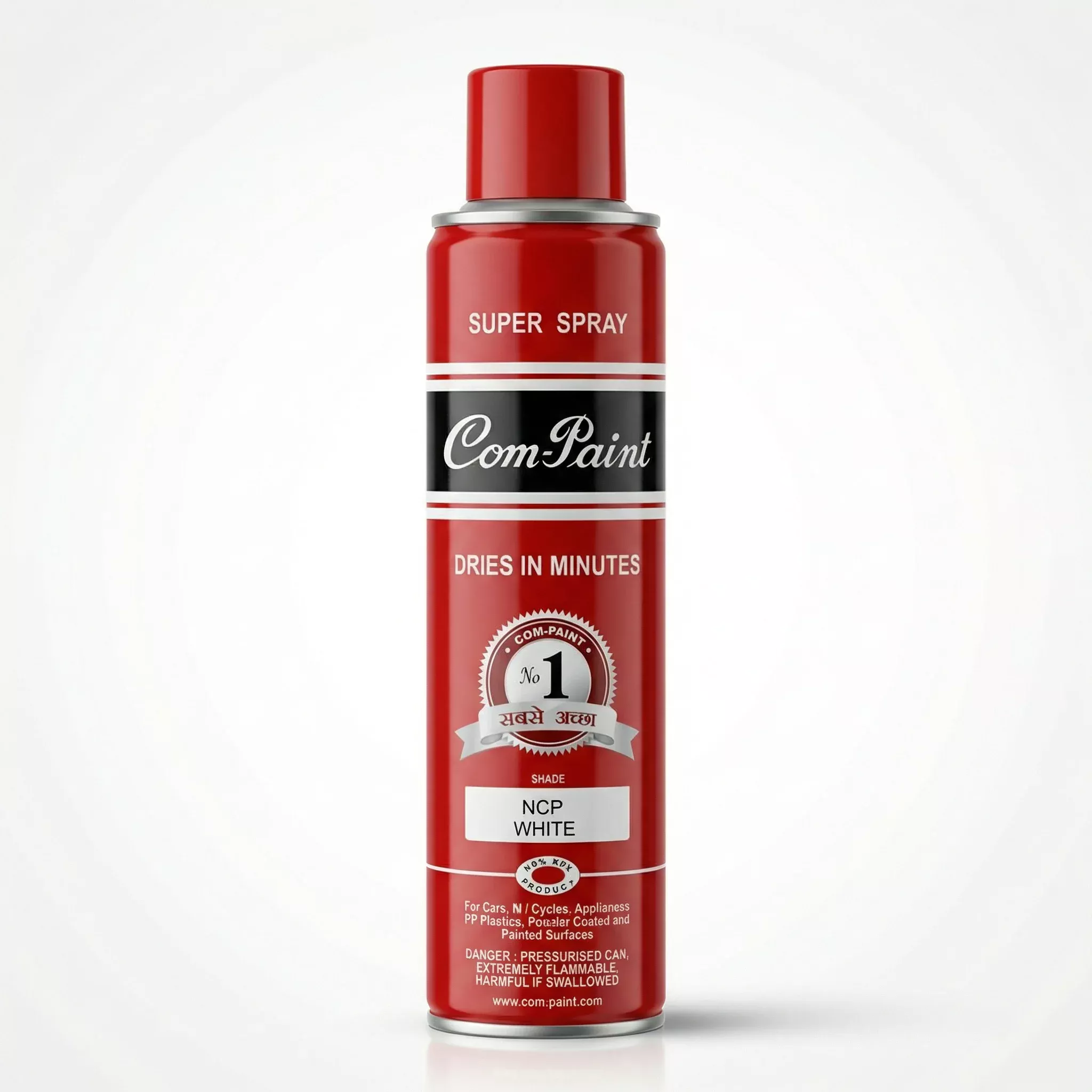
Colour-Matched Car Paint for Scratches Where Paint Is Missing
A scratch remover cannot bring back paint that has already been removed.
If your car’s original paint has chipped away, the damaged area needs to be repainted.
This is where colour matching becomes extremely important.
Using a generic black, white or silver spray may result in a noticeable difference between the repaired area and the surrounding body panel.
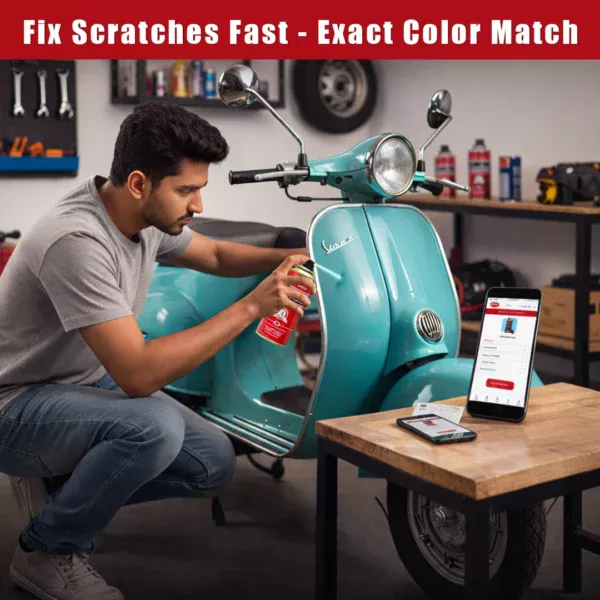
Com-Paint provides vehicle-specific automotive paint options, allowing customers to identify suitable shades according to their vehicle details.
Before painting, always verify the colour and, where possible, test it on a small inconspicuous area.
A good colour match can make a significant difference to the overall appearance of a DIY repair.
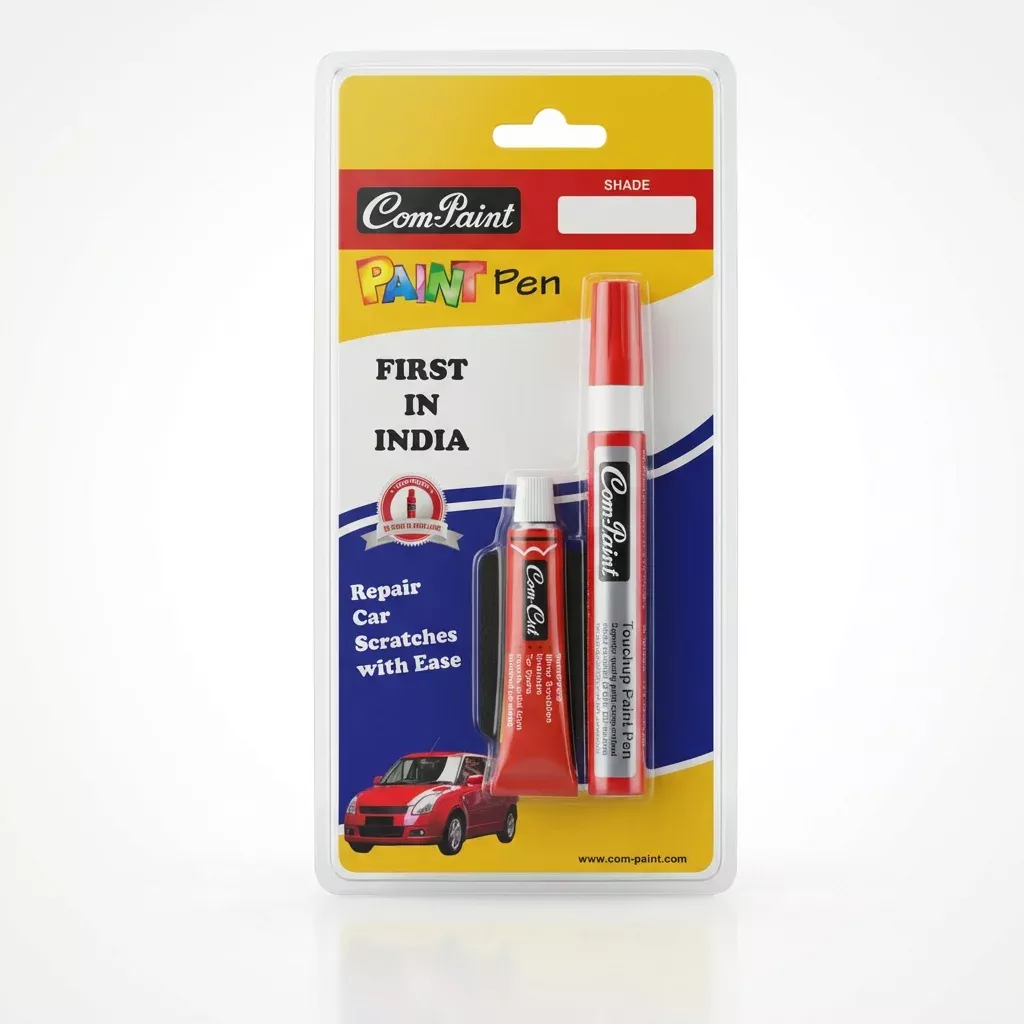
Com-Paint Paint Pen for Small Scratches and Paint Chips
Not every scratch requires a spray can.
If the damaged area is extremely small, a car paint pen can offer more precise application.
Paint pens are particularly useful for:
- Tiny scratches
- Small stone chips
- Small paint chips
- Narrow scratches
- Minor touch-ups around edges
The biggest advantage is control. You can apply paint directly to a small damaged section without unnecessarily covering a large area.
For larger scratches or panels, however, spray paint may provide more consistent coverage.
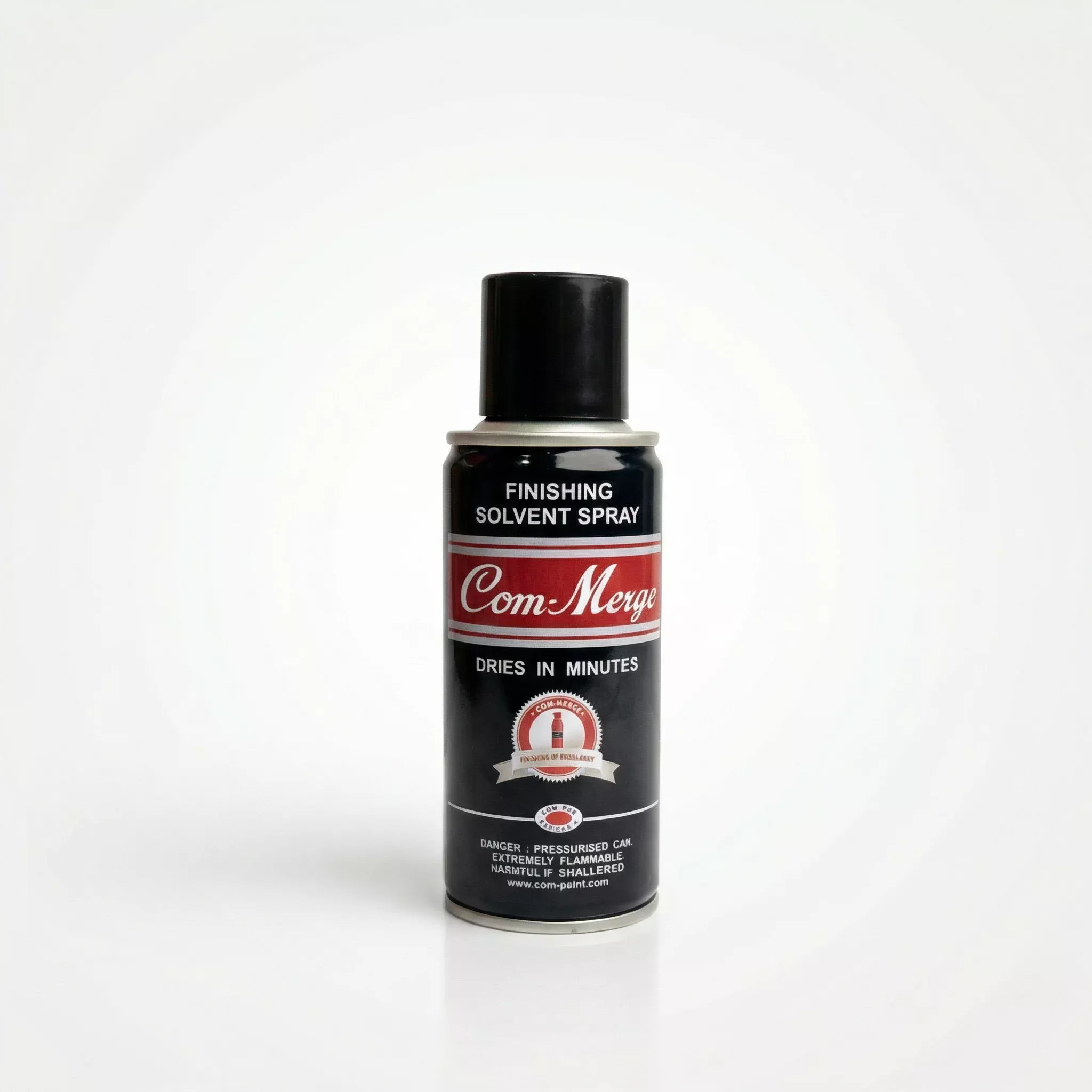
Com-Merge Finishing Solvent for a Better Paint Blend
One of the biggest challenges in DIY car painting is making the repaired section blend naturally with the original paint.
Even when the colour is correct, the edge of a freshly painted area may remain visible.
Com-Paint’s Com-Merge Finishing Solvent Spray is designed for the finishing and blending stage of the repair process.
It can help reduce the noticeable transition between the repaired area and the surrounding paint when used correctly.
This step can be particularly important when performing a spot repair instead of repainting an entire panel.
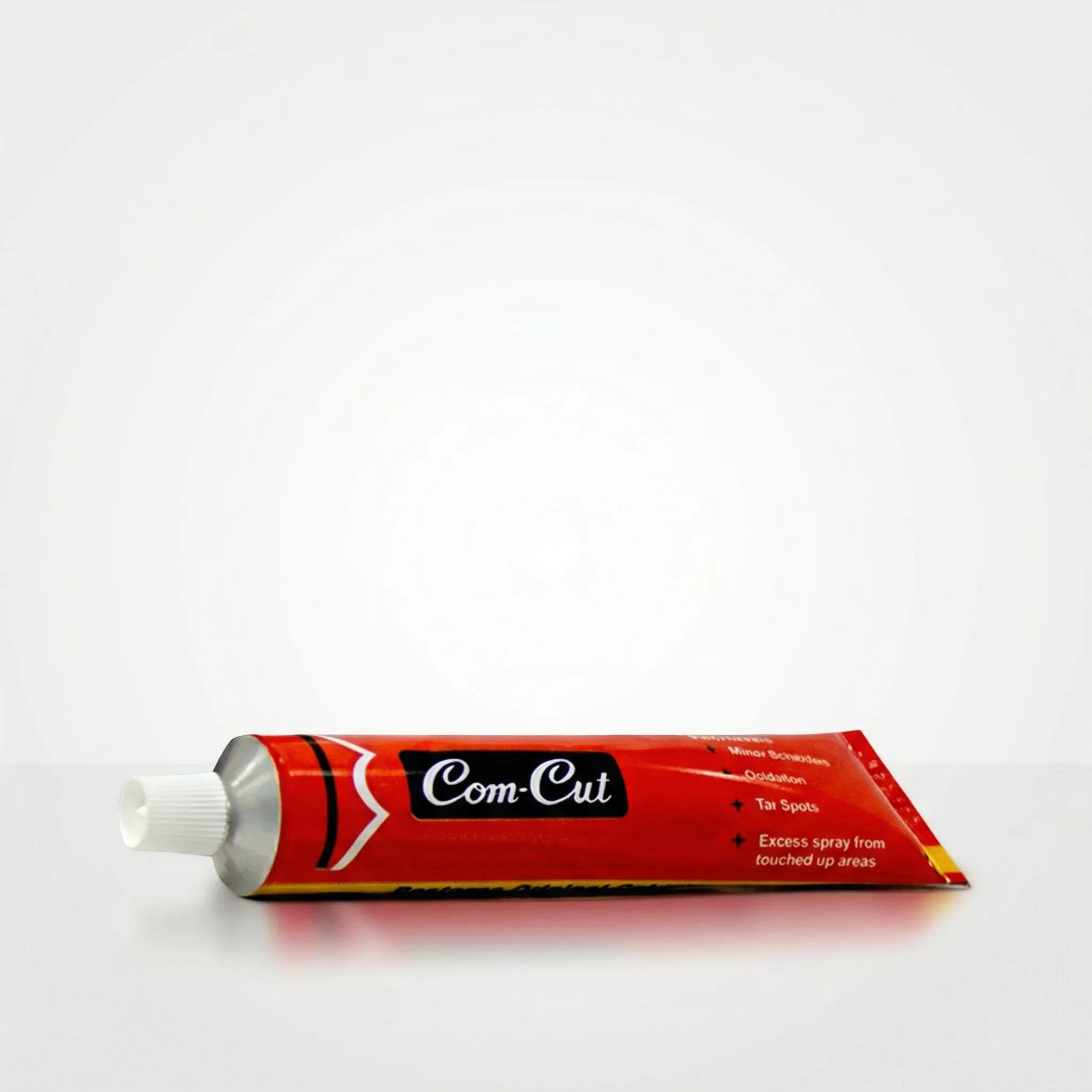
Com-Cut for the Final Finishing Stage
After repairing and painting the damaged area, the surface may require final polishing and finishing.
Com-Cut Paint Cleaner can be used during the finishing stage to help improve the appearance and gloss of the repaired surface.
A proper finishing process can make a DIY repair look considerably cleaner and more professional.
However, always follow the product’s recommended application and drying instructions.
How to Remove Car Scratches at Home
If you’re planning to repair a minor scratch yourself, preparation is just as important as the product you use.
Here’s a basic process for a paint-repair type scratch.
Step 1: Wash the Damaged Area
Start by thoroughly cleaning the affected area.
Remove:
- Dust
- Mud
- Grease
- Wax
- Road grime
Allow the surface to dry completely.
Step 2: Inspect the Scratch
Run your finger gently over the scratch and examine its depth.
If it is only a surface mark, a scratch remover may be sufficient.
If the paint is missing or the scratch is deep, you will need a paint repair process.
Step 3: Apply Scratch Filler if Required
For deeper grooves or uneven surfaces, apply a suitable scratch filler such as Com-Fill.
The objective is to create a smooth surface before painting.
Step 4: Smooth the Surface
Once the filler has dried appropriately, carefully smooth the repaired area using the recommended abrasive paper.
Do not sand unnecessarily large areas.
Step 5: Apply the Colour-Matched Paint
Apply the appropriate touch-up paint in controlled coats.
Avoid applying one excessively thick coat. Several controlled applications can provide better coverage and a smoother finish.
Step 6: Blend the Repair
Once the paint application is complete, the repaired section can be blended using the appropriate finishing product, such as Com-Merge.
Step 7: Finish and Polish
After the repair has properly dried and cured according to the product instructions, complete the finishing process using an appropriate polishing product such as Com-Cut.
Can You Remove Deep Car Scratches Without Repainting?
This is one of the most common questions car owners ask.
The answer depends on how deep the scratch is.
If the scratch is limited to the clear coat or is actually paint transfer, it may be possible to improve or remove the mark without repainting.
However, if the scratch has removed the vehicle’s original colour, there is no product that can simply “erase” the missing paint.
In such cases, the damaged area needs to be restored with appropriate touch-up paint.
For deep scratches involving significant dents, exposed metal or extensive panel damage, professional bodywork may be the better option.
How to Choose the Right Car Scratch Remover
Before purchasing a product, ask yourself three simple questions:
Is the original paint still visible?
If yes, you may be dealing with a surface scratch or paint transfer.
Has the paint been removed?
If you can see another layer underneath the paint, you’ll probably need colour-matched touch-up paint.
Is the surface physically uneven?
If the scratch has created a groove or indentation, a filler may be required before painting.
This simple assessment can prevent you from purchasing the wrong product.
Why Colour Matching Is Important for Car Scratch Repair
One of the most noticeable problems with DIY car painting is an incorrect colour match.
For example, “black” is not necessarily just one shade of black. Different car manufacturers use different paint formulations and colour codes.
The same applies to white, silver, grey, red and other popular automotive colours.
A colour that looks correct inside a shop may appear noticeably different under sunlight.
Therefore, whenever possible, identify the correct factory colour or vehicle-specific shade before purchasing touch-up paint.
This is one of the reasons colour-matched automotive paint solutions can be more useful than generic spray paint for scratch repair.
Car Scratch Remover vs Professional Car Repair
DIY scratch repair is ideal for minor cosmetic damage, but it isn’t suitable for every situation.
DIY repair may be suitable when:
- The scratch is relatively small.
- There is no major dent.
- The paint damage is localized.
- You want to repair the vehicle at home.
- You want to avoid repainting an entire panel.
Professional repair may be better when:
- The panel is badly dented.
- Metal is significantly exposed.
- The scratch is extremely deep.
- There is extensive paint damage.
- Multiple body panels are affected.
- The vehicle requires structural or bodywork repair.
The goal of a DIY product is to provide a convenient solution for minor automotive paint damage, not to replace professional body repair in every situation.
Why Choose Com-Paint for Car Scratch Repair?
Com-Paint offers a range of automotive paint and scratch-repair products designed for vehicle owners who want a practical way to handle minor paint damage.
Its product range includes solutions for different stages of the repair process, including:
- Scratch removal
- Scratch filling
- Colour-matched spray painting
- Paint pen touch-ups
- Paint blending
- Surface finishing
- Complete DIY scratch repair kits
This means you can select an individual product for a simple scratch or choose a complete kit when the repair requires multiple steps.
For car owners who regularly deal with minor scratches, stone chips, bumper marks and paint imperfections, having the right products available can make DIY maintenance considerably easier.
Final Thoughts
A small scratch doesn’t always mean that you need to repaint an entire car panel or immediately visit a body shop.
The key is to understand the type of damage before choosing a car scratch remover.
For light scratches and paint transfer, a dedicated scratch remover may be enough. For deeper scratches, a combination of filler, sanding and colour-matched paint can provide a better solution. And when you want everything required for a DIY repair in one place, a complete kit such as the Com-Paint Value Pack Kit can be a convenient option.
Before starting any repair, always clean the surface properly, identify the depth of the scratch and follow the product’s instructions carefully.
With the right product, proper preparation and patience, many minor car scratches can be repaired at home without the cost and inconvenience of repainting an entire panel.
Frequently Asked Questions About Car Scratch Removers
What is the best car scratch remover in India in 2026?
The best car scratch remover depends on the type of damage. For light scratches and paint transfer, a surface scratch remover may be suitable. For scratches where paint has been removed, a colour-matched touch-up paint or complete repair kit is a better option.
Can I remove car scratches at home?
Yes. Minor scratches, scuffs, paint transfer and small paint chips can often be repaired at home using the appropriate automotive scratch-removal or touch-up products.
Which is the best product for deep car scratches?
Deep scratches that create a visible groove may require a scratch filler followed by sanding and colour-matched paint. A complete DIY repair kit can be useful for this type of repair.
Can a scratch remover remove scratches completely?
A scratch remover can be effective for certain light surface scratches, scuffs and paint-transfer marks. It cannot replace paint that has already been removed from the vehicle.
Is car scratch remover safe for car paint?
Automotive scratch-removal products are specifically designed for vehicle paint surfaces, but they should always be used according to the manufacturer’s instructions. Testing on a small area first is a good practice.
Can I use a paint pen instead of spray paint?
Yes, a paint pen can be suitable for very small scratches and stone chips. For larger damaged areas, spray paint can provide more consistent coverage.
How do I repair a deep scratch on my car?
Clean the area, assess the damage, use a suitable filler if required, smooth the surface, apply colour-matched paint, blend the repair and complete the finishing process.
Can Com-Paint repair bumper scratches?
Com-Paint products can be used for various minor automotive paint repairs, including suitable bumper scratches. The correct product depends on the depth and nature of the damage.
How do I match touch-up paint to my car?
Use your vehicle’s manufacturer, model, year and available paint or colour information to identify the appropriate shade. A proper colour match is important for achieving a less noticeable repair.