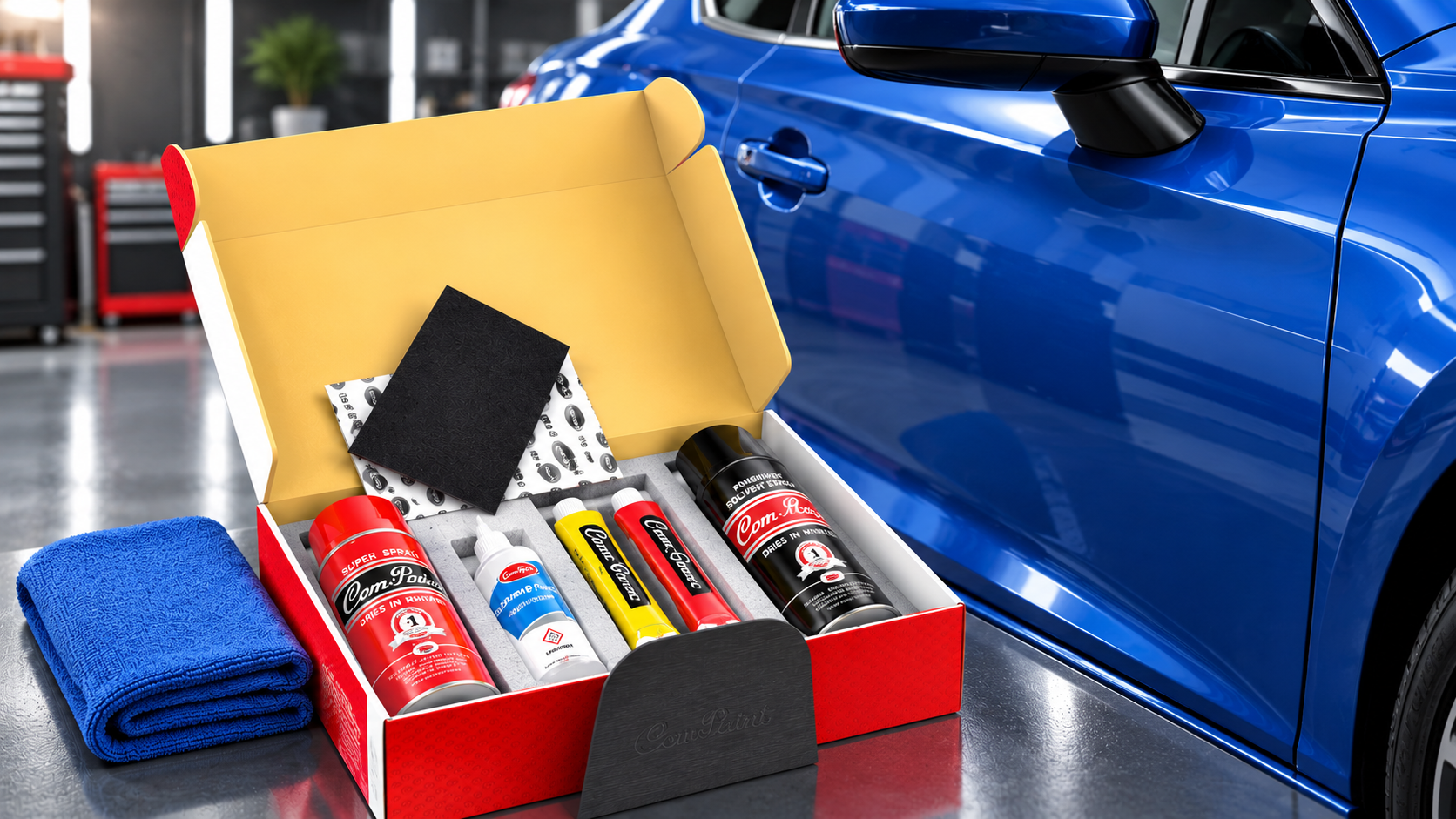
A scratch on your car can make an otherwise well-maintained vehicle look old or neglected. Parking marks, stone chips, door-edge scratches, branches, road debris and everyday washing can all leave marks on a car’s paintwork. The good news is that not every scratch needs a full panel repaint or an expensive body-shop visit. The right repair depends on how deep the scratch is, how much paint has been removed and which layer of the finish has been affected.
If you are searching for a Car Scratch Remover, Best Car Scratch Remover Paint or a Scratch Remover for Car, start by identifying the type of damage. A polishing compound may improve some superficial marks, a paint pen can help with tiny chips, and automotive touch-up spray paint may be more suitable when a larger area has lost colour. Deep scratches, dents or exposed metal may need additional preparation or professional repair.
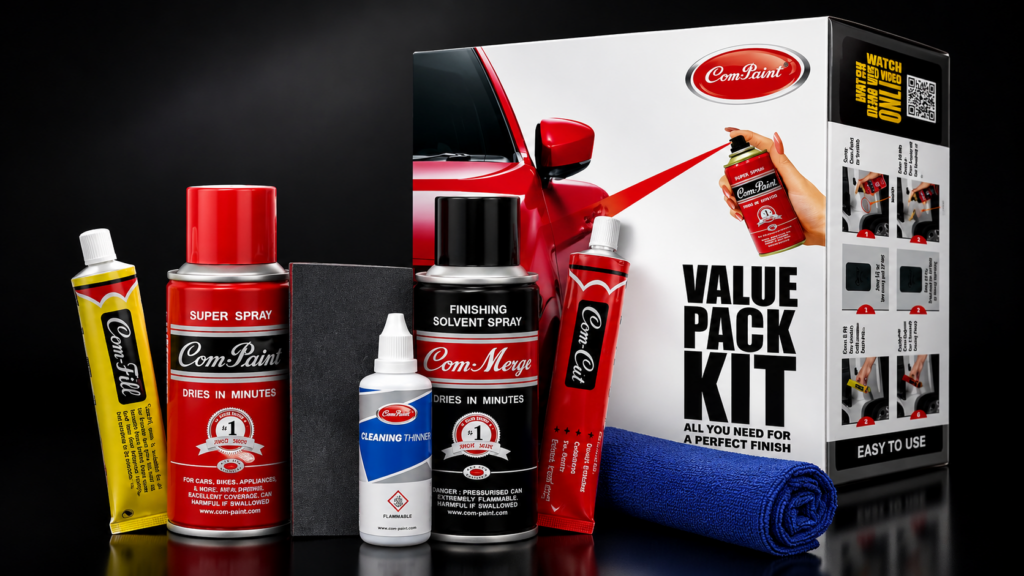
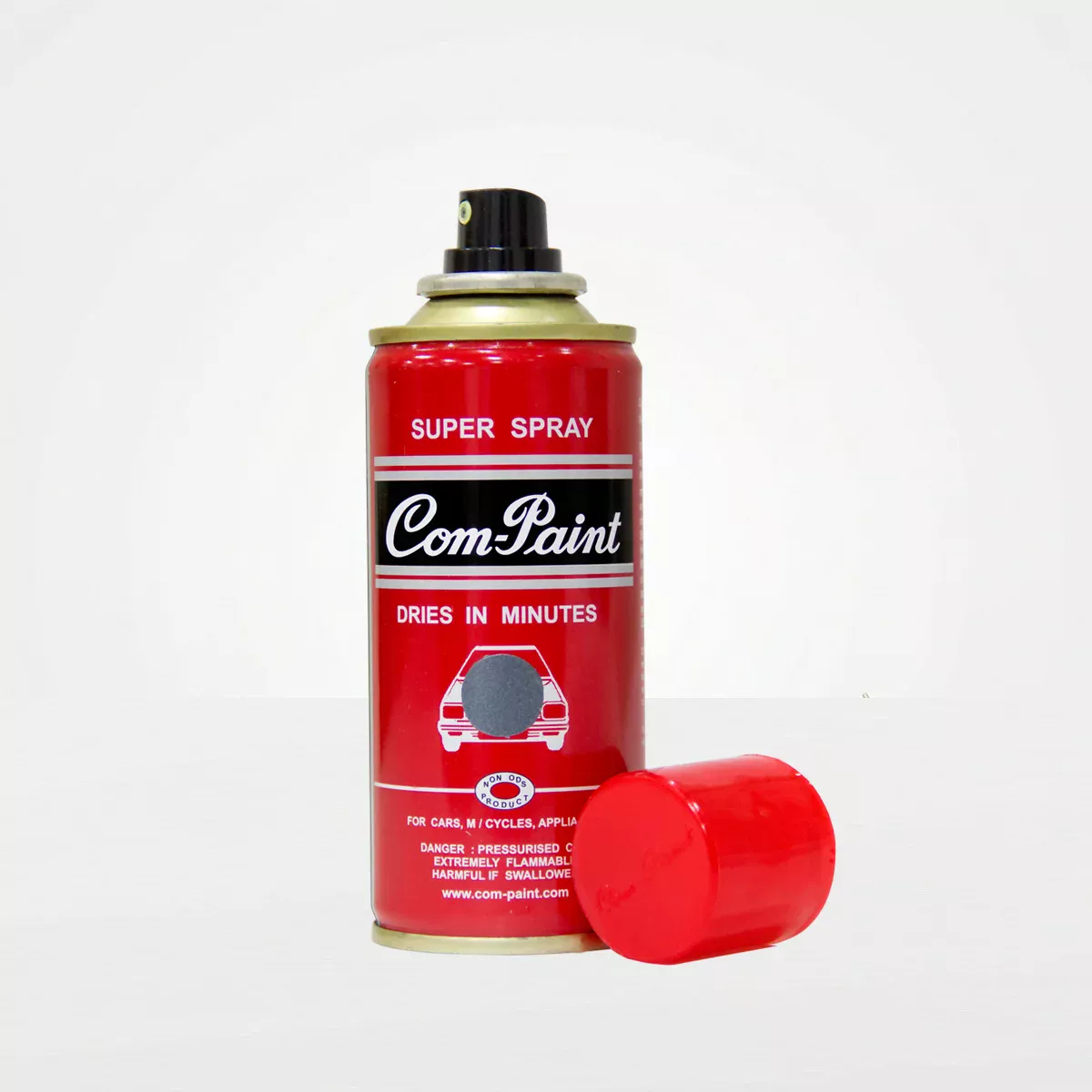
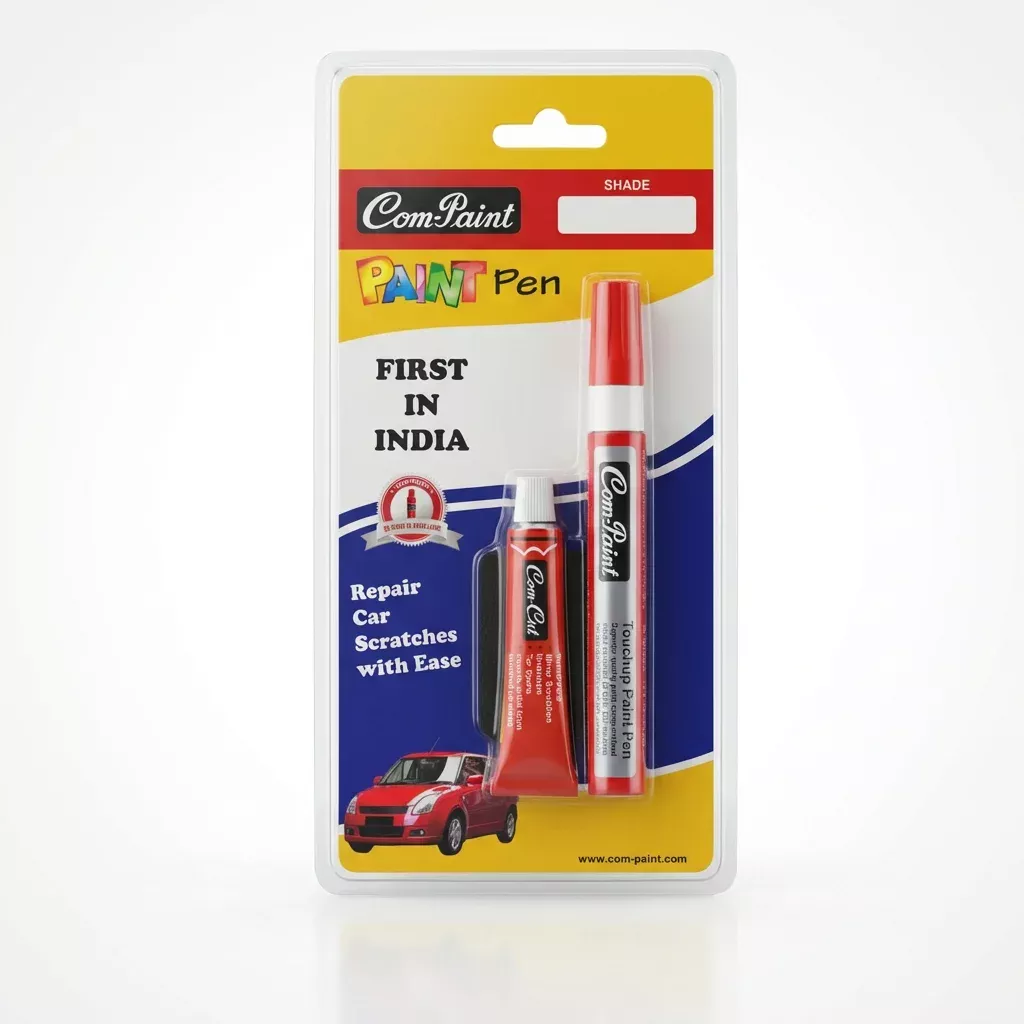
Com-Paint offers scratch-care and automotive touch-up options, including a Paint Pen Kit for small localised marks and a vehicle-shade-matched Value Pack Spray Paint Kit for suitable DIY repairs. Explore the current product details at https://www.com-paint.com/product-category/scratch-solutions/ before selecting a product.
What Is the Best Car Scratch Remover?
The best car scratch remover is the product that suits the depth and type of damage. A scratch remover compound is generally intended for suitable superficial marks; a paint pen is useful for very small chips and narrow scratches; and a colour-matched automotive spray paint kit can be considered for suitable areas where the paint layer is missing. Scratches that reach primer or bare metal, or damage involving dents and cracked panels, may need filler, primer or professional refinishing.
- Light surface mark or paint transfer: clean the area first and assess whether a suitable polishing or scratch-removal compound is appropriate.
- Small chip or thin scratch: consider a vehicle-specific touch-up paint pen if the shade is available.
- Larger area of missing paint: consider a compatible automotive touch-up spray system.
- Deep scratch, exposed metal or dent: repair the underlying damage before applying the finishing products.
- Always match the factory colour and check product instructions before use.
What Is a Car Scratch Remover?
Car scratch remover is a broad term used for products that help improve the appearance of scratches and paint imperfections. The term can refer to polishing compounds, scratch-removal creams, paint pens, touch-up paint, fillers or automotive spray paint kits. These products do different jobs, so they should not be treated as interchangeable.
Scratch-removal compound
A fine abrasive or polishing product may reduce the visibility of certain superficial clear-coat marks and paint transfer when used correctly. It cannot replace missing paint.
Car paint pen
A pen-style applicator places a small amount of colour on a localised chip or narrow scratch. It can be useful where precise application matters.
Touch-up spray paint
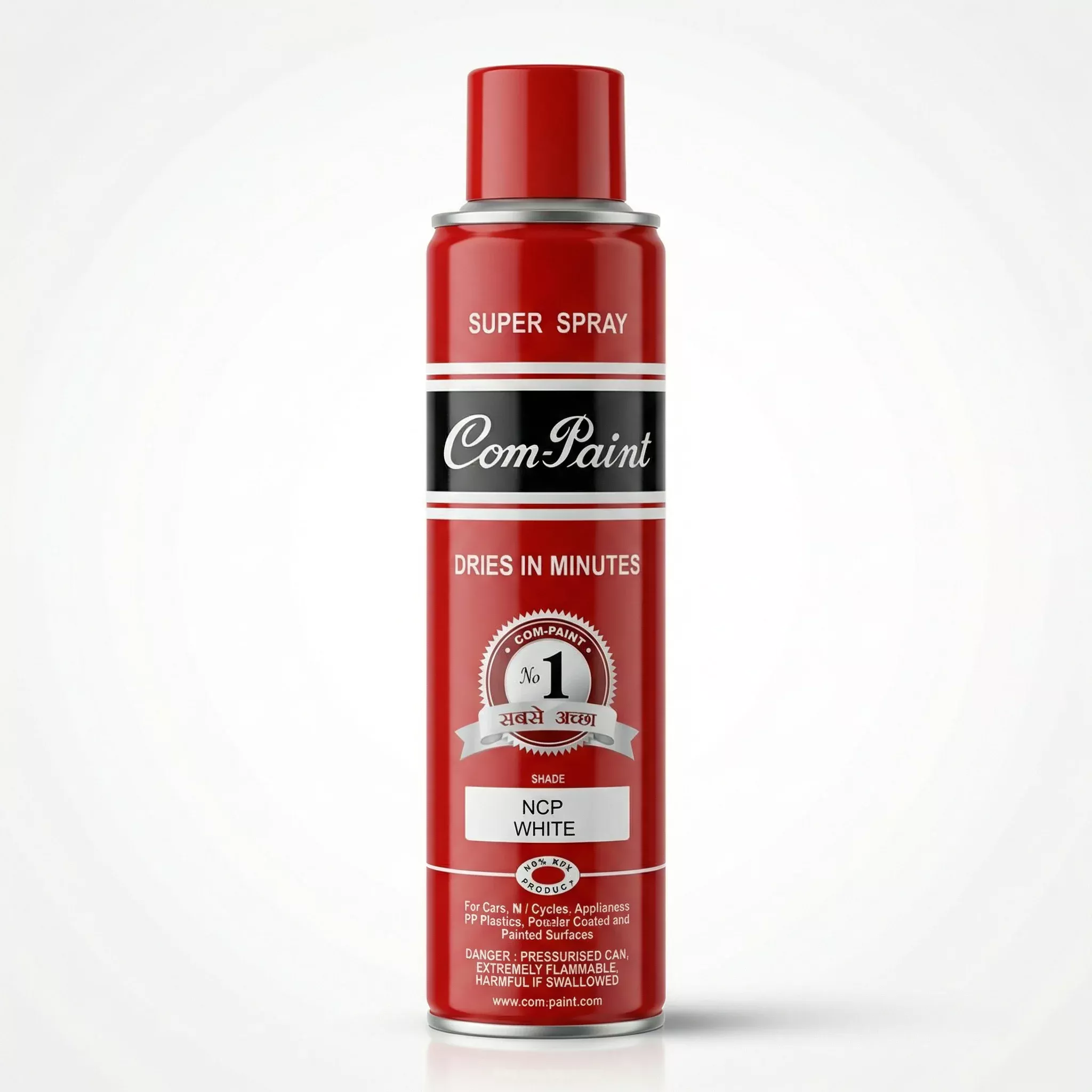
Automotive spray paint is useful for suitable repair areas that are larger than a tiny chip. The colour, surface preparation and coating compatibility must be correct.
Scratch filler
A compatible filler can help level certain scratches or small surface defects before touch-up painting. It is not a substitute for repairing significant dents or structural damage.
2. Understand the Different Types of Car Scratches
A vehicle’s paint finish commonly includes a clear coat over a coloured basecoat, with primer beneath the colour layer and metal or plastic below that. The repair method depends on which layer has been affected. Lighting can make a scratch look shallower or deeper than it really is, so inspect the clean, dry panel carefully.
Type 1: Surface scuffs and paint transfer
These marks may sit on top of the clear coat or consist of material transferred from another object. Cleaning and a compatible scratch-removal product may improve their appearance. Avoid aggressive rubbing that could damage the clear coat.
Type 2: Clear-coat scratches
These scratches affect the clear protective layer but may not reach the coloured paint. Some very light marks may respond to careful polishing, while deeper clear-coat damage may require professional assessment.
Type 3: Colour-coat scratches
When the coloured paint layer is damaged, a compound alone cannot restore the missing colour. A properly matched touch-up paint product may be appropriate for a small repair.
Type 4: Primer or bare-metal scratches
If the scratch exposes primer or metal, the area may need careful preparation, corrosion protection where appropriate, primer and compatible paint. Leaving exposed metal untreated can allow corrosion to develop.
Type 5: Deep scratches, dents or cracked panels
Substantial damage may require filling, panel repair, blending and professional refinishing. A scratch-removal product alone will not restore the shape or structure of a damaged panel.
How to Choose the Best Car Scratch Remover Paint
When comparing the Best Car Scratch Remover Paint options, focus on the vehicle’s paint code, the size of the repair and the type of finish. A product with a similar colour name may still look different from the factory paint once it dries.
| Damage | Possible solution | What to check |
| Light scuff or transferred paint | Cleaning and suitable scratch-removal compound | Confirm the mark is not deep paint loss |
| Tiny chip or narrow scratch | Vehicle-specific paint pen | Exact shade and precise application |
| Small-to-medium paint-loss area | Automotive touch-up spray kit | Surface prep, colour match and compatible finish |
| Scratch with a small groove | Compatible filler plus touch-up system, if suitable | Correct filler and preparation instructions |
| Exposed metal or extensive damage | Appropriate repair system or body shop | Corrosion protection and professional assessment |
Scratch Remover for Car: Paint Pen vs Spray Paint vs Compound
Paint pen for small scratches
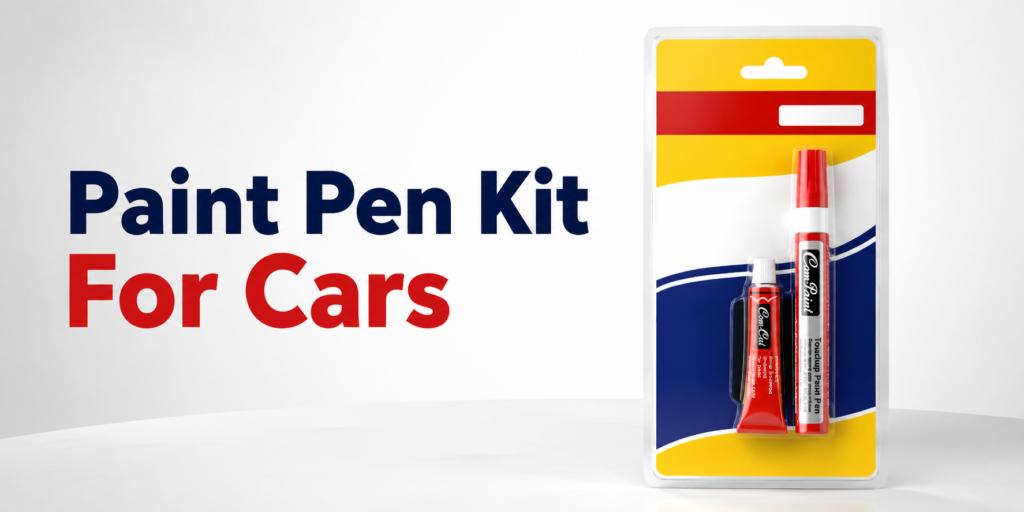
A paint pen is designed for controlled application to small chips and narrow marks. Com-Paint’s Paint Pen Kit for Cars is listed as a vehicle-specific touch-up option, with colour selection based on available make, model, year and shade options. Check current shade availability and follow the included directions: https://www.com-paint.com/product/paint-pen-kit-for-cars/.
Spray paint for larger touch-up areas
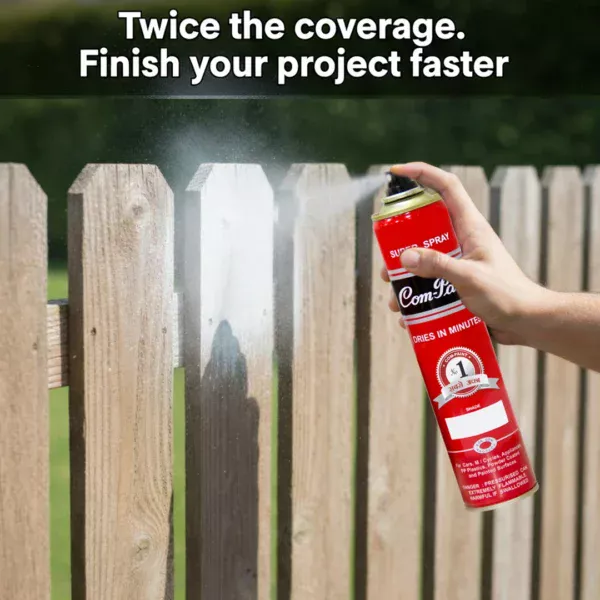
Automotive spray paint may be more practical when the damaged area is wider than a tiny chip. The repair needs suitable cleaning, masking, surface preparation and compatible paint layers. Metallic colours and large visible panels can be difficult to blend, so a professional repair may produce a more consistent finish.
Scratch-removal compound for superficial marks
A suitable compound may improve the appearance of some light clear-coat marks or paint transfer. It does not add colour back to a panel where the paint has been removed. Test cautiously, use a clean applicator and follow the product instructions.
How to Remove Car Scratches at Home
Small cosmetic repairs may be manageable at home when the damage is appropriate for DIY treatment and the product instructions are followed. Do not attempt a DIY repair on a large panel or a deep scratch simply because a kit is available.
Step 1: Wash and dry the area
Remove dust, mud, road grime, wax and grease with suitable cleaning products. Dry the panel completely so the damage can be assessed accurately.
Step 2: Inspect the scratch
Look at the mark under good lighting. Determine whether it appears to be surface transfer, a clear-coat mark, missing colour or damage reaching primer or metal. If unsure, ask a qualified repair professional.
Step 3: Select the correct product
Choose a compound, paint pen, touch-up spray or repair system according to the damage. Confirm compatibility with the vehicle’s existing finish and substrate.
Step 4: Prepare the surface
Follow the kit’s directions for cleaning, sanding or filling. Avoid unnecessary sanding of intact paint and do not use unapproved chemicals on the panel.
Step 5: Match the factory colour
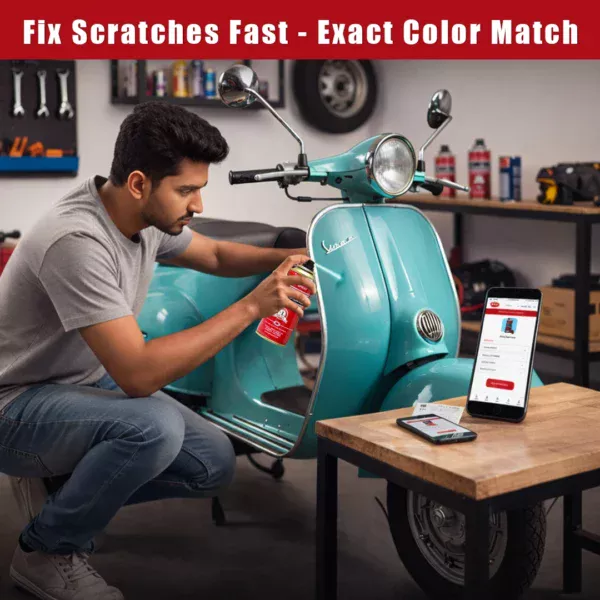
Use the manufacturer’s paint code or a vehicle-specific shade selection system. If possible, test the shade on a suitable test surface before applying it to a visible area.
Step 6: Apply in controlled layers
Use light, even coats and the recommended distance, recoat interval and application method. Avoid thick coats that may run or dry unevenly.
Step 7: Finish and allow curing
Use only compatible finishing products, and follow the manufacturer’s drying and curing times. Do not polish or wash the repair too soon.
Com-Paint Value Pack: What to Know
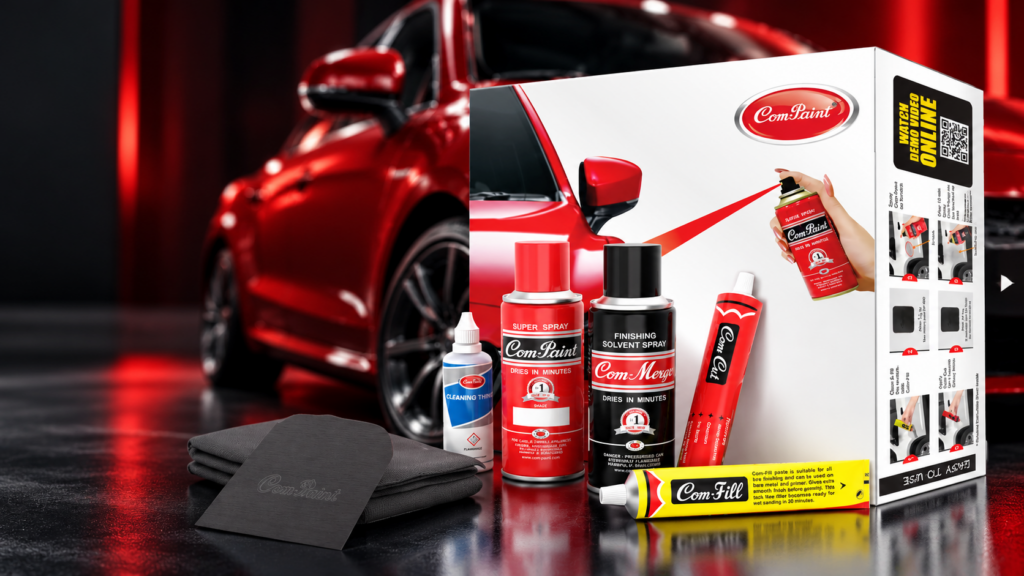
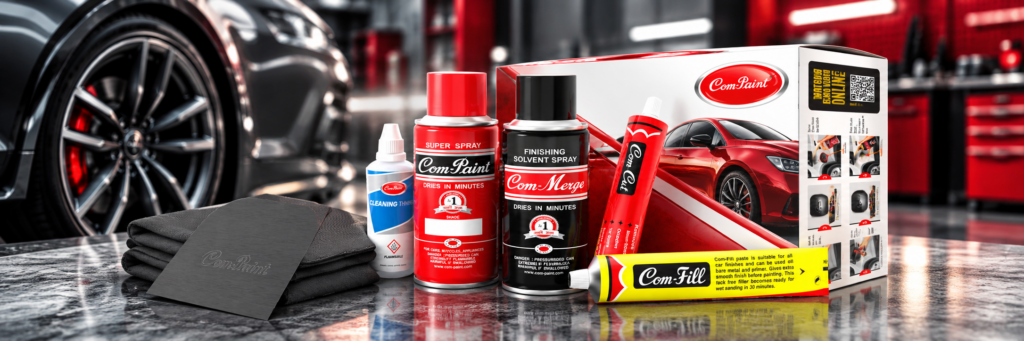
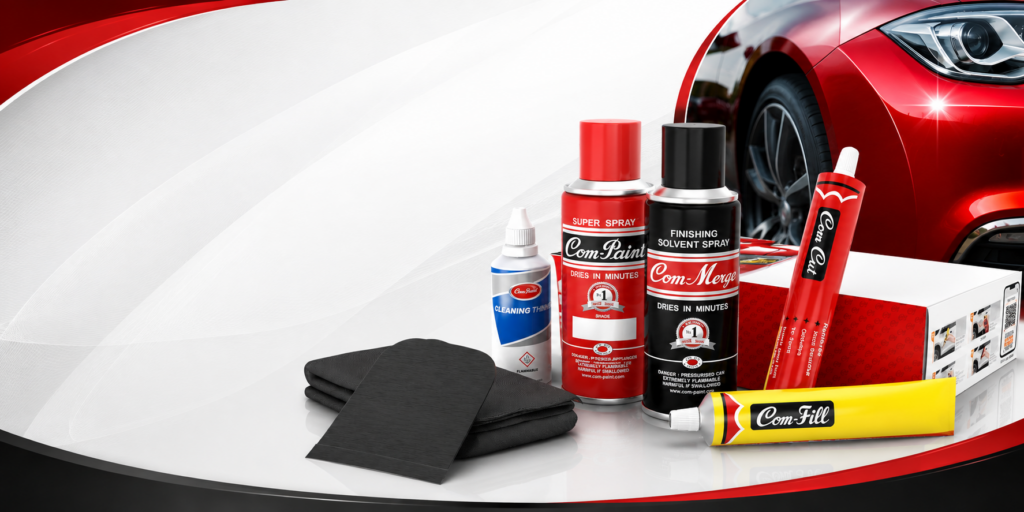
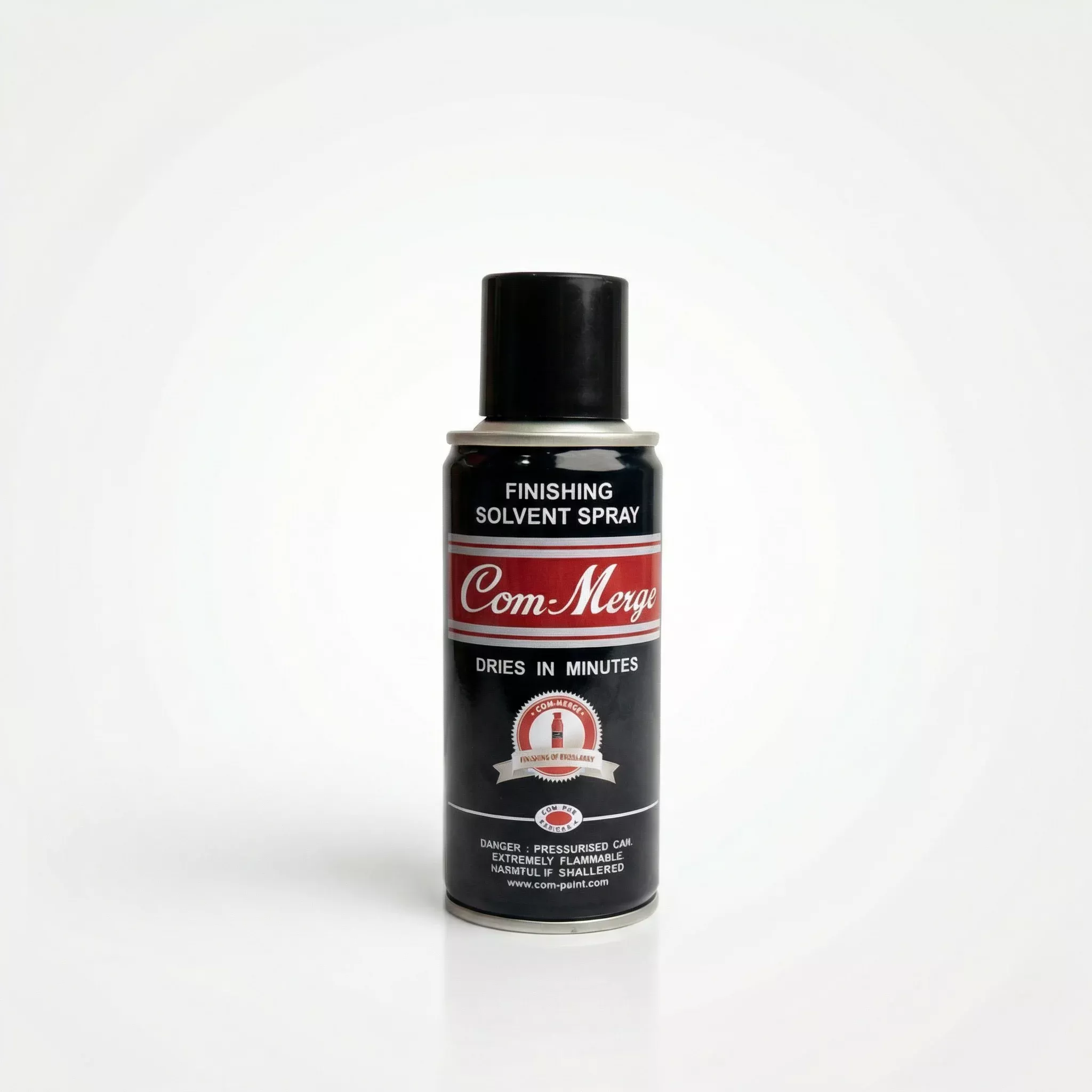
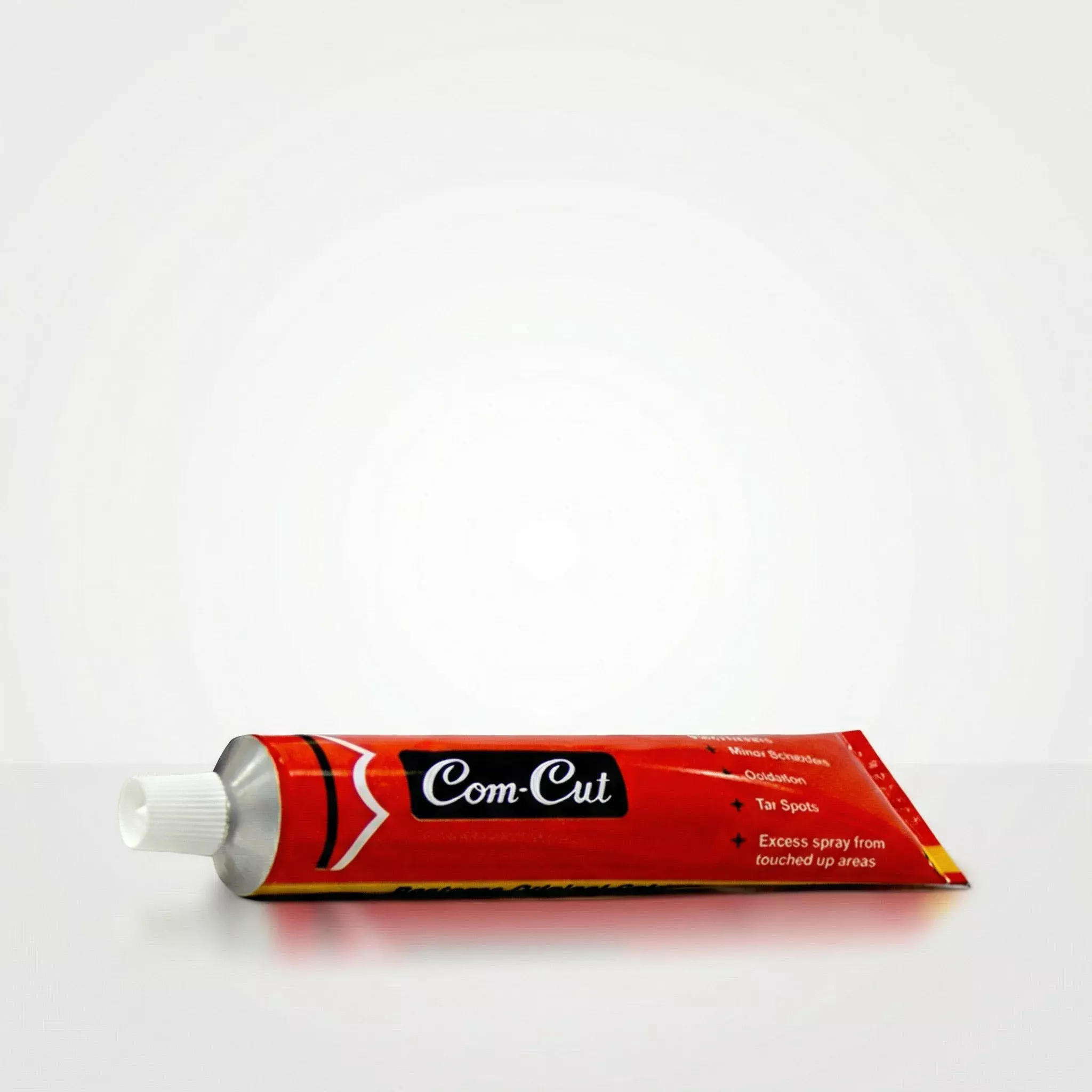
Com-Paint’s Spray Paint for Cars – Value Pack Kit is listed on the website as a vehicle-specific touch-up solution for suitable car scratches. The published listing describes a selected-colour spray can, Com-Merge finishing solvent spray, Com-Cut compound, Com-Fill scratch filler, a metal applicator, emery papers, cleaning thinner and a microfiber cloth. Confirm the current kit contents, directions and availability on the product page before ordering.
The product page currently lists the Value Pack at ₹1,499, but pricing and availability can change. Check the latest listing here:
The kit is intended to help with suitable DIY touch-ups, but the result depends on scratch depth, shade availability, preparation and application. Deep dents, cracked bumpers, extensive rust and large areas requiring seamless blending may need professional repair.
Why Colour Matching Is Important
A repair can remain visible if the paint shade or finish differs from the original vehicle coating. Car colours may have multiple variants under similar names, and metallic or pearl finishes can reflect light differently depending on the application.
- Find the factory paint code from the vehicle label or official documentation where available.
- Select the correct make, model, year and shade variant in the supplier’s colour tool.
- Check whether the original finish is solid, metallic, pearl, gloss, matte or satin.
- Test the colour on a suitable test card where possible and assess it under different lighting.
- If the correct shade is unavailable or the repair is on a large, highly visible panel, consult the supplier or a professional painter.
Com-Paint scratch solutions and colour selection options are available at https://www.com-paint.com/product-category/scratch-solutions/.
Best Spray Paints: When Is Spray Paint the Right Choice?
The keyword best spray paints can refer to many products, but for a car scratch repair the relevant choice is an automotive-grade spray paint that is compatible with the surface and matches the factory colour. Decorative household spray paint should not be assumed suitable for automotive bodywork.
Gloss finish
Suitable when the original component has a glossy finish and the selected coating system is compatible.
Matte or satin finish
Choose these when matching an original matte or satin surface, or when carrying out a compatible custom finish. Clear coats and polishing can change the sheen.
Metallic finish
Requires careful shade matching and consistent application because reflective particles affect the appearance.
Plastic components
Bumpers and trims may need specific preparation or adhesion products. Confirm that the paint system is suitable for the material.
The best option is not necessarily the most expensive or the most popular product. It is the one designed for the repair, the surface and the vehicle’s exact colour.
Common Car Scratch Repair Mistakes
Using compound on missing paint
Polishing products cannot replace colour that has been removed. Use the correct touch-up approach for paint loss.
Choosing paint by colour name only
Similar names do not guarantee a factory match. Check the paint code and variant.
Skipping cleaning and preparation
Dust, wax, grease and loose paint can affect adhesion and finish.
Applying too much paint at once
Heavy coats can run, dry unevenly or create visible texture.
Mixing incompatible products
Primer, colour coat, solvent and clear coat should be compatible according to the manufacturers’ instructions.
Expecting a deep scratch to disappear instantly
Deep scratches and dents need underlying repair; a touch-up product alone may not restore a factory finish.
Ignoring safety
Aerosol paints and solvents can be hazardous. Follow the product safety data sheet and use appropriate ventilation and protective equipment.
How to Maintain Your Car Paint After Repair
- Allow the repair to cure for the time specified by the product manufacturer before washing or polishing.
- Use a clean microfiber cloth and automotive products compatible with the finish.
- Avoid abrasive pads or aggressive polishing on freshly repaired areas.
- Wash away road grime and contaminants instead of rubbing dry dust across the paint.
- Inspect exposed chips and scratches early so suitable repairs can be considered before corrosion or further damage develops.
- Follow the coating and vehicle manufacturers’ maintenance guidance.
When Should You Visit a Professional?
DIY scratch repair is best suited to small, localised cosmetic damage when the correct shade and compatible products are available. Consider a professional body shop if the scratch exposes a large area of bare metal, the panel is dented or cracked, rust is present, the paint is peeling, the damage crosses several panels or a seamless finish is important.
Professional repair may also be the better choice for metallic and pearl finishes on large visible areas, where blending the colour and texture can be difficult. If you are uncertain about the depth of the scratch, seek an assessment before sanding or applying paint.
Frequently Asked Questions
What is the best Car Scratch Remover?
The best Car Scratch Remover depends on the damage. A suitable compound may help with superficial marks, a paint pen can address tiny chips, and a vehicle-specific touch-up spray can suit certain areas of missing paint. Deep damage may need professional repair.
Does car scratch remover paint really work?
Touch-up paint can improve the appearance of areas where colour is missing when the shade and application are suitable. It does not erase every scratch or guarantee an invisible repair.
Which is the Best Car Scratch Remover Paint for deep scratches?
Deep scratches that reach primer or metal usually need surface preparation and possibly filler, primer and refinishing. A paint product alone may not be sufficient; seek professional advice for extensive damage.
Can I use a Scratch Remover for Car on every scratch?
No. Products are designed for different types of damage. A compound is not suitable for every deep scratch, and touch-up paint is unnecessary for some superficial marks.
Can a scratch remover remove paint transfer?
Some paint-transfer marks may be improved by appropriate cleaning and a compatible polishing product. Test carefully and avoid aggressive abrasion that could damage the clear coat.
Is a paint pen better than spray paint?
A paint pen offers control for tiny chips and narrow scratches. Spray paint may be more appropriate for larger touch-up areas. The best choice depends on the size and depth of damage.
What is the best spray paint for car scratches?
Choose automotive spray paint that matches the vehicle’s factory shade and is compatible with the panel material and existing finish. Follow the product’s surface preparation and application instructions.
How do I find my car’s exact paint colour?
Check the vehicle’s factory paint code where available, then confirm it using a reliable shade reference or vehicle-specific paint selection tool. Make, model and year can help narrow the options.
Can I repair car scratches at home?
Small cosmetic repairs may be suitable for DIY treatment when you use the right product and follow the directions. Deep scratches, dents, exposed metal and extensive damage may require professional repair.
Where can I buy a car scratch repair kit in India?
You can explore Com-Paint’s scratch solutions at https://www.com-paint.com/product-category/scratch-solutions/. Verify current prices, shade availability, kit contents and delivery details before purchase.
Conclusion: Choose the Right Scratch Remover for Your Car
The right Car Scratch Remover can help improve the appearance of minor paint damage, but successful repair starts with understanding the scratch. Use a suitable compound for appropriate superficial marks, a colour-matched paint pen for small chips, and automotive touch-up spray paint for suitable larger areas of paint loss. Deep scratches, exposed metal, dents and cracked panels need more extensive repair.
For vehicle-specific touch-up products, paint pens and spray paint kits, explore Com-Paint’s scratch solutions at https://www.com-paint.com/product-category/scratch-solutions/. Always verify the correct shade, follow product instructions and choose professional repair when the damage is beyond a simple DIY touch-up.